What should we do right now?

Free toddler activity finder, ages 2–5. Pick what you have on hand. Get one printable card. No signup.

Pick an age first.

Nothing matched exactly — here's something you can do with just yourselves.

Or browse all 36

These are organized by the nine "schemas" — the patterns of play that toddlers cycle through. Your kid who is suddenly throwing everything is in a trajectory phase. The one stacking and lining things up is in positioning. Match the activity to the phase the kid is in and engagement triples.

🚀 Trajectory

Throwing, dropping, kicking, running back and forth, watching things fall.

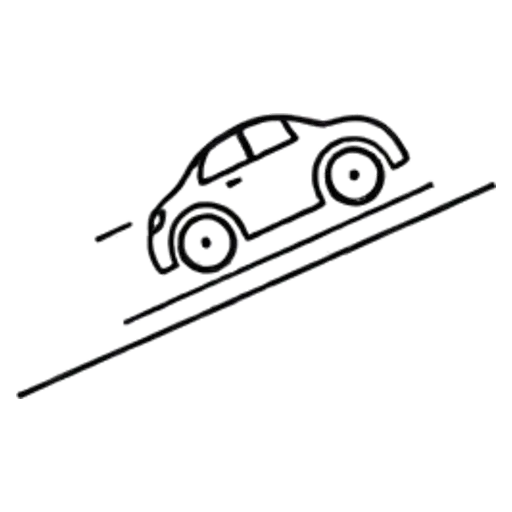
Back-and-forth bombing run
🚀 trajectory

Back-and-forth bombing run

👶
ages 2–5
<60 sec setup
~5–10 min
No cleanup
1
Set up

Pick two endpoints in the room — couch and wall, kitchen and door. Nothing else.

2
Show your kid (30 sec)

Walk to one end. Touch it. Run to the other end. Touch it. Run back. Look at them expectantly.

3
What you'll see

A 2-year-old will run the same loop twenty times. A 4-year-old will invent variants — hop, crab walk, backwards, eyes closed, lava floor.

4
When they want to go again

Add a count ("how many times can you go?"), or call out an animal for each leg ("bear to the couch, frog back").

Why this one made the list

Zero materials, zero cleanup, zero setup. Hits the trajectory schema with pure body input, which is what 2-year-olds need before they get to "throw the ball into the basket." A tired parent can run this from the couch while doing literally anything else. Burns the kind of energy that otherwise becomes climbing-on-the-table.
Sock-ball laundry basket
🚀 trajectory

Sock-ball laundry basket

👶
ages 2–5
<60 sec setup
~10 min
No cleanup
1
Set up

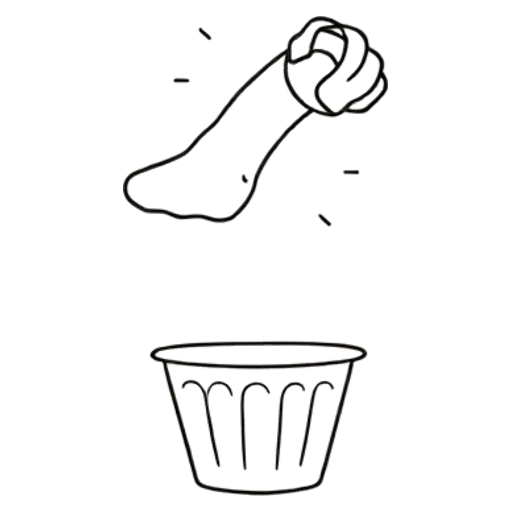
Roll five or six clean socks into balls. Put a laundry basket about three feet from where the child stands.

2
Show your kid (30 sec)

Toss one sock into the basket. That's it.

3
What you'll see

Most kids will throw the sock, miss, retrieve it, and throw again — the retrieval is half the activity. Older kids will move the basket farther on their own, which is the schema doing its job.

4
When they want to go again

Stack two baskets for a "high hoop." Number the socks 1–5 and call them out. Use a smaller bowl for a "hardest level."

Why this one made the list

Real-world objects, Lillard's preference. Self-correcting: if the sock misses, the child sees it miss — no adult judging. Distance adjustment is the kid's own difficulty control, so the activity scales itself across ages. Plus it accidentally pre-folds laundry.

Couch-side drop tray
🚀 trajectory

Couch-side drop tray

👶
ages 2–3
<60 sec setup
~10 min
Wipes up
1
Set up

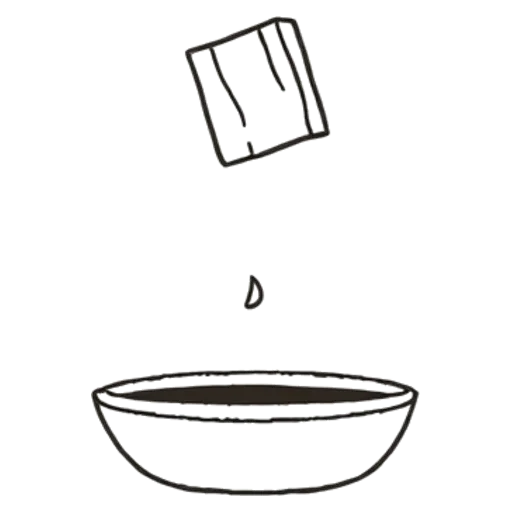
Put a shallow bin or tray on the floor in front of the couch. Put a small handful of droppable objects (blocks, pom-poms, dry pasta) on the couch within the child's reach.

2
Show your kid (30 sec)

Pick up one block. Hold it over the edge of the couch. Let it drop into the tray. Don't say anything.

3
What you'll see

This is the activity 2-year-olds invent themselves with food off the highchair. Giving it a designated tray turns it from "frustrating" to "the work." They will drop everything, gather it, drop it again.

4
When they want to go again

Replace blocks with cotton balls (float drop), then with dry pasta (loud drop). Different objects = different drops = same schema, new feedback.

Why this one made the list

The drop-from-height obsession is universal at 2 and Athey-textbook trajectory. The tray contains the mess by design. Self-correcting — the sound of the drop is the feedback. Pure heuristic play in the Goldschmied sense: child decides what to do with the objects, no adult script.

Tape-square target bounce
🚀 trajectory

Tape-square target bounce

👶
ages 3–5
1–3 min setup
~10 min
No cleanup
1
Set up

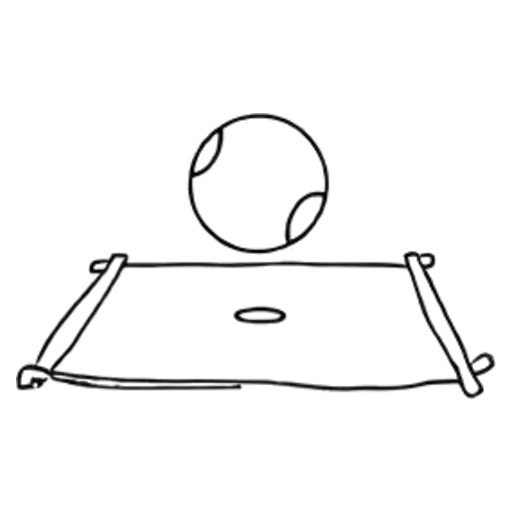
Tape a square (roughly 12"×12") on the floor with masking tape. Hand the child a ball or a rolled-up sock.

2
Show your kid (30 sec)

Stand back a few feet. Bounce the ball once so it lands inside the square. Look pleased.

3
What you'll see

Aiming, missing, adjusting. The child will quickly invent variations: bouncing off the wall, dropping from above, sitting and rolling, two squares at once.

4
When they want to go again

Make a "miss zone" with a second tape color. Tape three squares of decreasing size for a difficulty ladder. Number the squares and call them out as "tonight's target."

Why this one made the list

Targets transform mindless throwing into deliberate practice — control-of-error is built in: the ball either landed or it didn't. Tape comes up clean. Scales from 3 (one big square) to 5 (small numbered squares). The kid is the judge; the parent can leave the room.

🧺 Transporting

Moving objects from A to B in bags, baskets, pockets, fists.

Carry-the-stones
🧺 transporting

Carry-the-stones

👶
ages 2–4
<60 sec setup
20+ min
Bath / outside only
1
Set up

Take the kid outside. Optionally hand them a basket or bucket.

2
Show your kid (30 sec)

Pick up a small stone. Carry it ten feet. Put it down. Walk back.

3
What you'll see

A 2-year-old will move every loose object in a five-yard radius from one pile to another. Then back. Then to a third pile. A 4-year-old will categorize — big rocks here, small ones there. This is the schema in its pure form.

4
When they want to go again

Make two clear "piles" with a tape line or a chalk circle. Add a rule ("only round ones in this pile"). Move sticks instead, or leaves.

Why this one made the list

The transporting schema is famously hard to satisfy indoors without losing your mind — outside is its native habitat. Zero setup, real movement, real sensory input, can be done while you sit and drink coffee. The 4-year-old's categorizing version touches positioning.

Sponge water transfer
🧺 transporting

Sponge water transfer

👶
ages 2–4
1–3 min setup
~10 min
Wipes up
1
Set up

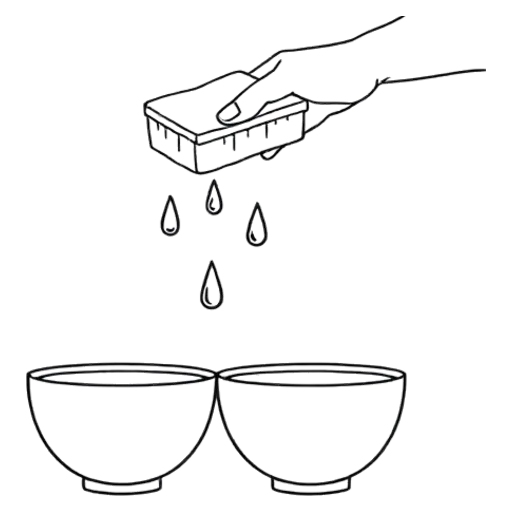
Fill one bowl halfway with water. Place an empty bowl next to it. Put a small sponge on a tray. A folded dish towel underneath catches drips.

2
Show your kid (30 sec)

Dip the sponge in the full bowl. Squeeze it into the empty bowl. Repeat. Don't say anything.

3
What you'll see

Total concentration. This is the kind of activity Maria Montessori built her career on. Some children will do it for 30 minutes. They will absolutely spill — that is part of the work; the towel handles it.

4
When they want to go again

Color the water for visibility. Use a turkey baster or a small dropper instead of the sponge. Add a third bowl for "transfer back."

Why this one made the list

Quintessential Montessori practical life — pouring/transfer is the canonical control-of-error activity (the water shows you when you've spilled). Fine-motor practice that doesn't feel like practice. The tray-and-towel boundary handles the mess. Repeats forever; concentration goes deeper each time.

Snack train
🧺 transporting

Snack train

👶
ages 2–5
1–3 min setup
~10 min
Wipes up
1
Set up

Put 3–4 empty bowls or muffin-tin wells on a tray. Put a bowl of Cheerios (or raisins, crackers) at one end of the table.
2
Show your kid (30 sec)

Pick up the bowl of Cheerios. Walk it to the tray. Pour a few into each small bowl. Done.

3
What you'll see

Careful pouring. Counting (in 3+ kids). "Delivering" the snacks to stuffed animals. Sometimes the snacks get eaten, sometimes they make many round trips first.

4
When they want to go again

Use tongs to transfer instead of pouring. Make a "delivery list" — three for bear, two for dog. Use a real toy truck if you have one.

Why this one made the list

Practical life + transporting + ends in a real snack — Lillard's "real activity beats pretend" thesis in concentrate. The pouring control-of-error is concrete. Built-in cleanup (eat the evidence).

Bottle-cap delivery service
🧺 transporting

Bottle-cap delivery service

👶
ages 3–5
1–3 min setup
~10 min
Wipes up
1
Set up

Dump 15–25 bottle caps in one bowl on a tray. Put two or three empty bowls next to it. Place tongs on the tray.

2
Show your kid (30 sec)

Pick up one cap with the tongs. Move it to one of the empty bowls. Don't say which one.

3
What you'll see

Sorting by color. Sorting by size. Then re-sorting differently. Then mixing them all back together and starting again.

4
When they want to go again

Set up a "delivery route" — caps must go bowl 1 → bowl 2 → bowl 3 before they're done. Hide a small "passenger" inside one cap. Race the clock.

Why this one made the list

The tongs hide a serious fine-motor workout inside a transport game — pincer-grip practice that physical therapists assign. Bottle caps are the cheapest possible loose-parts material. Tray boundary contains the mess. The schema is satisfied 25 caps at a time.

🎁 Enveloping

Wrapping, covering, hiding objects or self.

Hide-and-find under a cup
🎁 enveloping

Hide-and-find under a cup

👶
ages 2–3
<60 sec setup
~10 min
No cleanup
1
Set up

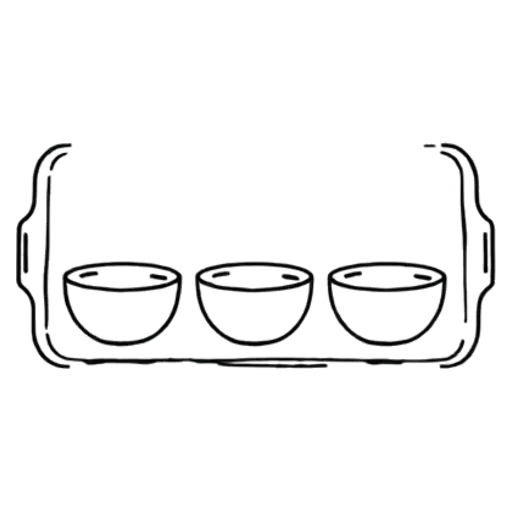
Three opaque cups or small bowls in a row on the floor or a tray. One small toy.

2
Show your kid (30 sec)

Show the toy. Put it under the middle cup. Lift the cup. "There it is!"

3
What you'll see

A 2-year-old will be thrilled by the reveal and want to do it themselves. A 3-year-old will close their eyes while you switch cups, then guess. A 4-year-old graduates to the actual shell-game version.

4
When they want to go again

Once they're confident with 1-of-3, slide the cups around once before revealing. Use opaque socks instead of cups for tactile reveal.

Why this one made the list

Hides-and-reveals are pure enveloping. Self-correcting (the toy is or isn't there). One of the best 2-year-old activities going because it's literally how the brain encodes object permanence. Travels — works at a restaurant with sugar packets and a coin.

Tissue-paper presents
🎁 enveloping

Tissue-paper presents

👶
ages 3–5
1–3 min setup
20+ min
Wipes up
1
Set up

Tear or cut tissue paper into squares roughly 6"×6". Stack on a tray with a roll of tape and a pile of small items (rocks, blocks, marker caps, anything).

2
Show your kid (30 sec)

Place a block on a paper square. Fold the corners up. Wrap a piece of tape around it. "A present."

3
What you'll see

Total absorption. The child will wrap everything — toys, crayons, a fork, their own thumb. They'll demand to give the presents to you, then take them back to re-wrap.

4
When they want to go again

Use ribbon or yarn instead of tape. Wrap presents inside presents. Wrap a present and put it in a "mailbox" (any small bin).

Why this one made the list

Enveloping at its most literal. Cuts straight to a real-world skill (gift-wrapping, paper-folding). Fine-motor practice disguised as a game. The pile of "presents" at the end is the kid's product — Lillard's real-thing exception. Paper is the ultimate household item.

Sock puppet from a real sock
🎁 enveloping

Sock puppet from a real sock

👶
ages 3–5
<60 sec setup
~10 min
No cleanup
1
Set up

Find a clean sock. Optionally a marker for eyes.

2
Show your kid (30 sec)

Put the sock on your hand. Curl your fingers to make a mouth. Say "hello" in a silly voice.

3
What you'll see

The child will put it on their own hand, talk in a silly voice, name the puppet, have it eat things, hide it. Often becomes a full conversational partner for the rest of the morning.

4
When they want to go again

Two socks = two puppets, two voices. Add a button "eye" or a felt scrap. Make a "puppet theatre" by hiding behind the couch.

Why this one made the list

Symbolic substitution (sock → being) is the core developmental move of 2–3; Leslie 1987 makes the case that this is the foundation of pretense. One sock. No mess. Travels. Survives the most extreme tired-parent days.

Foil-wrap a sculpture
🎁 enveloping

Foil-wrap a sculpture

👶
ages 3–5
<60 sec setup
~10 min
No cleanup
1
Set up

Tear off a couple of large sheets of aluminum foil. Put on a tray with a small object (a spoon, a toy car, a wooden block, an avocado pit).

2
Show your kid (30 sec)

Wrap the object completely in foil, pressing the foil to its shape. Hold it up so the child can see the imprint. Unwrap it.

3
What you'll see

Most kids immediately want to wrap something. Then unwrap. Then wrap something else. The transformation of "I can still see the shape" is mesmerizing.

4
When they want to go again

Crumple the foil into balls instead. Wrap a toy and "find" it under the foil. Make a "foil mask" by pressing it to a face (their own, very gently).

Why this one made the list

A material that holds shape once pressed — that's foil's superpower for toddlers. Control-of-error is built in (it's wrapped or it isn't). One sheet of foil. Crinkles up the same way after fifty wraps. Heuristic in the Goldschmied sense — the kid decides what it becomes.

📏 Positioning

Lining up, stacking, sorting, ordering, patterning.

Macaroni sort
📏 positioning

Macaroni sort

👶
ages 2–5
1–3 min setup
~10 min
Wipes up
1
Set up

Mix a few cups of dry pasta in 2–4 different shapes in one bowl. Put an empty muffin tin (or 3–4 small bowls) next to it. Tray underneath.

2
Show your kid (30 sec)

Pick up one piece of pasta. Drop it into one of the wells. Pick up another shape, drop it into a different well. Step away.

3
What you'll see

Methodical, careful sorting. Re-sorting differently. Sometimes a 3-year-old will mix them up again at the end so they can re-sort.

4
When they want to go again

Use tongs for harder fine-motor mode. Add a fourth shape later. Use food coloring to dye some pasta a different color for a color-sort version.

Why this one made the list

Sorting is the canonical positioning activity and aligns with Montessori's sensitive-period-for-order. Cheap material, tray-bounded, infinitely repeatable. The sort is the kid's own — control-of-error is built in.
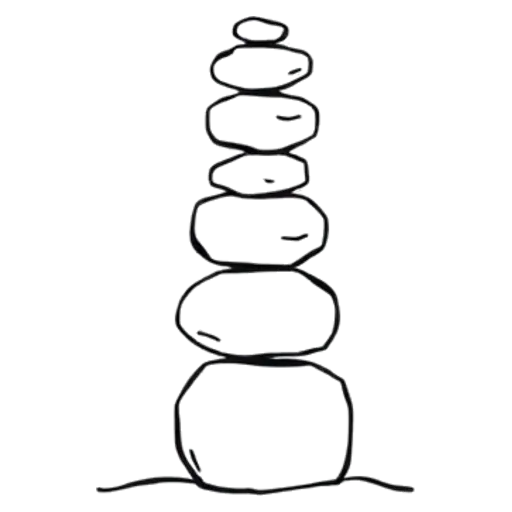
Rock stacking tower
📏 positioning

Rock stacking tower

👶
ages 3–5
<60 sec setup
~10 min
No cleanup
1
Set up

None outdoors. Indoors: a tray with a handful of rocks.

2
Show your kid (30 sec)

Stack three rocks. Look at the tower. Walk away.

3
What you'll see

Patient balancing. The toppling is part of the work. Most 3+ kids will get to 4–5 before the tower falls; they'll then go higher every session.

4
When they want to go again

Use only flat rocks. Use only round ones. Stack two towers side by side. Take a picture before it falls.

Why this one made the list

The patience and proprioceptive feedback rock-stacking trains is real — and the activity is entirely self-driven by gravity. Outdoor version has zero materials cost. Travels to every park, beach, and trail.

Crayon rainbow line-up
📏 positioning

Crayon rainbow line-up

👶
ages 2–4
<60 sec setup
~5 min
No cleanup
1
Set up

Dump crayons on a flat surface.

2
Show your kid (30 sec)

Pick up red. Put it down. Pick up orange. Put it next to red. Pick up yellow. Continue the rainbow without saying a word.

3
What you'll see

A 2-year-old will line up by their own logic (often size, sometimes color). A 4-year-old will recite the rainbow. Many kids will then line up everything else in the room.

4
When they want to go again

Line up by length. Line up alternating two colors. Form letters with the crayons. "Make a face with the crayons."

Why this one made the list

Maximum activity for minimum setup. Caps the positioning schema cleanly. Cleans up by going into the crayon box. Mom's-purse-survival tier for restaurant boredom.

Sticker line-up
📏 positioning

Sticker line-up

👶
ages 2–5
<60 sec setup
~10 min
No cleanup
1
Set up

Hand the child a sticker sheet and any paper (a junk-mail catalog works great).

2
Show your kid (30 sec)

Peel one sticker. Stick it in the corner of the page. Peel a second. Stick it next to the first.

3
What you'll see

A 2-year-old will sticker their own arm; a 3-year-old will start covering the page edge-to-edge; a 4-year-old will line stickers in deliberate rows, often with a logic only they understand.

4
When they want to go again

Provide a grid (or graph paper) so they fill cells one at a time. Make a "sticker story" — line them up to tell a sequence.

Why this one made the list

Stickers are the universal fine-motor practice tool — peeling a sticker is genuinely hard pincer work at 2.5. Travels everywhere. Builds the positioning schema directly. Pages of stickered junk mail go straight back to recycling.

🔗 Connecting

Joining and separating — tape, string, slot-and-tab, knock-down.

Masking-tape sculpture
🔗 connecting

Masking-tape sculpture

👶
ages 3–5
1–3 min setup
20+ min
Wipes up
1
Set up

Stack 3–6 cardboard tubes (paper towel, toilet paper) and a roll of tape on the floor. Pre-tear a few pieces of tape and stick them lightly to the edge of a table where the child can grab them.

2
Show your kid (30 sec)

Put two tubes end-to-end. Tape them together. Look at it.

3
What you'll see

Towers. Bridges. "Telescopes." Then the question "what if I tape this one here?" Genuine engineering happens after about five minutes. A 2-year-old will mostly just rip tape off and stick it to themselves — also fine.

4
When they want to go again

Add a paper plate as a "roof." Tape the sculpture to the floor for "permanent" mode. Replace tape with stickers — different connection, same schema.

Why this one made the list

Tape + tubes is the ur-loose-parts pairing for the connecting schema. The connection is visible and self-correcting (it holds or it doesn't). Cardboard recycling becomes the material library — household-item heaven. Builds something different every time.

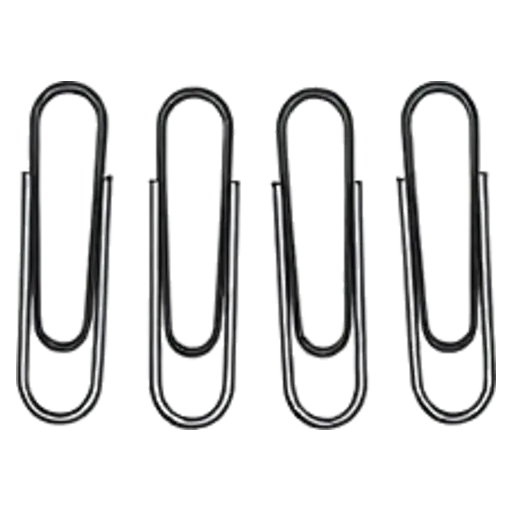
Paper-clip chain
🔗 connecting

Paper-clip chain

👶
ages 3–5
<60 sec setup
~10 min
No cleanup
1
Set up

Pour a handful of paper clips into a small bowl or onto a tray.

2
Show your kid (30 sec)

Slide one clip into another so they hook. Add a third. Hold up the chain.

3
What you'll see

Concentration. The first few clips are hard; by the tenth it's automatic. Kids will measure the chain against themselves, around a chair, across the room. The disconnecting phase often shows up at the end, ripping the chain apart deliberately.

4
When they want to go again

Use colored clips and make a pattern. Race to a target length. Connect two chains end-to-end with a single "master" clip.

Why this one made the list

Pincer-grip masterclass in disguise. Pure connecting schema, no other distraction. Travels in any pencil case. Caveat: don't leave a 2-year-old unsupervised with these — but for 3+, this is a clinical-grade fine-motor activity hiding in stationery.

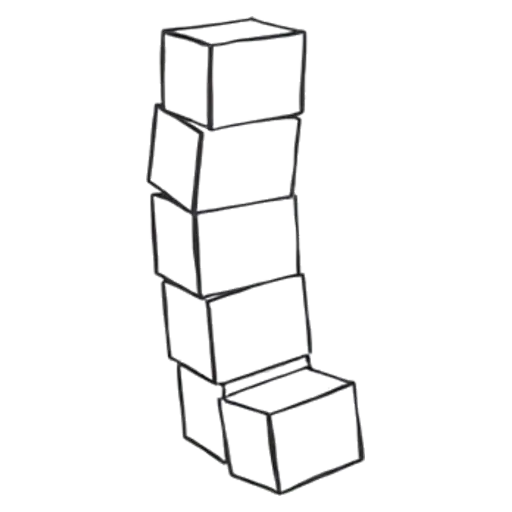
Build it then knock it down
🔗 connecting

Build it then knock it down

👶
ages 2–4
<60 sec setup
~10 min
Wipes up
1
Set up

Pile up whatever stacks well on the floor — blocks, plastic cups, books, anything.

2
Show your kid (30 sec)

Stack 3–4 items. Knock them over with a deliberate gentle push.

3
What you'll see

Pure joy at the knock-down. Then rebuild — the build is the price the child pays for the knock-down. The schema is the cycle, not the result.

4
When they want to go again

Stack high. Stack in a row to topple like dominoes. Build with one hand. "How tall before it falls on its own?"

Why this one made the list

Connecting and disconnecting in the same loop, which is what Athey actually observed — kids don't separate the building from the destroying; they're one schema. Burns wild energy. Cleanup is built into the next build.

Cardboard slot-and-tab city
🔗 connecting

Cardboard slot-and-tab city

👶
ages 4–5
3–5 min setup
20+ min
Wipes up
1
Set up

Cut clean cardboard (cereal boxes, shipping boxes) into rectangles of various sizes. In each rectangle, cut a couple of 1-inch slots along the edges. Pile them on the floor.

2
Show your kid (30 sec)

Slot two pieces together at right angles. They stand up.

3
What you'll see

A house. Then "more pieces." Then a city. Kids at 4 figure out the slot-into-slot trick in about a minute; at 5, they design.

4
When they want to go again

Pre-cut some windows and doors. Tape the structure to a base for "permanence." Combine with the masking-tape sculpture.

Why this one made the list

A connection that's self-locking — the cardboard either slots in or it doesn't, no tape required. Pure structural engineering for a 4-year-old. Cardboard is free, infinite, and the cleanup is "throw it in the recycling."

🏠 Enclosure

Bounded spaces, fences, rooms, perimeters.

Tape rooms
🏠 enclosure

Tape rooms

👶
ages 2–5
1–3 min setup
20+ min
No cleanup
1
Set up

Tape 3–4 rectangles on the floor in different sizes. Each is a "room."

2
Show your kid (30 sec)

Pick up one toy animal or figurine. Put it inside one rectangle. Look pleased.

3
What you'll see

Wholesale relocation of toys into the rooms. Naming the rooms ("this is the kitchen, this is the bedroom"). Adding tape lines themselves to make doorways. Animals visiting other animals.

4
When they want to go again

Add a strip of tape connecting two rooms — a "hallway." Make one room very small and see which animals fit. Tape numbers in each room and "deliver" the right count.

Why this one made the list

Floor-tape is the most underused household item for toddler play. Comes up clean without leaving residue if you use painter's tape. The activity grows from a 2-year-old's "put things in" into a 4-year-old's "build a town." Same setup, two years of play.

Block fences around small worlds
🏠 enclosure

Block fences around small worlds

👶
ages 3–5
<60 sec setup
20+ min
Wipes up
1
Set up

Dump blocks on the floor. Put a few small animals or figurines nearby.

2
Show your kid (30 sec)

Use four blocks to make a square around one animal. "This one lives here." Step away.

3
What you'll see

Within a minute most 3+ kids start fencing every animal. Then making bigger pens. Then "the lion escapes" narratives. Heuristic play in the loose-parts sense — Goldschmied would be proud.

4
When they want to go again

"Now build a fence that all the animals fit in." "What about a fence with a gate?" "What lives in the smallest pen?"

Why this one made the list

A textbook enclosure activity that also draws on whatever pretend skills the child has. The control-of-error comes from the animal physically fitting or not fitting. Open-ended in the loose-parts sense — same blocks, infinitely different play.

I am a house
🏠 enclosure

I am a house

👶
ages 2–5
<60 sec setup
~5 min
No cleanup
1
Set up

None. Sit on the floor.

2
Show your kid (30 sec)

Curl into a tight ball, arms wrapped around knees. "I am a house. The door is closed." Open arms slightly. "The door is open."

3
What you'll see

Most kids immediately copy. Then start narrating who lives in the house. Then they want you to be a house that they go into.

4
When they want to go again

"I am a tiny house" (curl tighter). "I am a tall house" (arms up). "Who's knocking?" Add doorbell sounds.

Why this one made the list

Pure body-based enclosure, no materials. Particularly useful at the kind of moment where you're stuck on the couch sick and the kid needs something. Builds the schema without any setup at all. Bonus: language-rich because of the inevitable narration.

Cup-ring pond
🏠 enclosure

Cup-ring pond

👶
ages 2–4
<60 sec setup
~10 min
No cleanup
1
Set up

Arrange 8–12 plastic cups or yogurt containers in a circle on the floor, open in the middle. Put a few toy animals nearby.

2
Show your kid (30 sec)

Place one animal in the middle. "It's in the pond."

3
What you'll see

Kids add animals to the pond. Move cups closer or farther. Knock some over and rebuild. A 2-year-old will mostly tip cups; a 4-year-old will narrate a whole ecosystem.

4
When they want to go again

Use the cups upside-down as "islands." Two cup rings = two ponds.

Why this one made the list

Bridges enclosure and the early positioning schema — cups in a deliberate arrangement is itself the work. Cheap, ubiquitous materials. Reset takes ten seconds.

🌀 Rotation

Spinning self or objects; wheels, mixing.

Spin and freeze
🌀 rotation

Spin and freeze

👶
ages 2–5
<60 sec setup
~5 min
No cleanup
1
Set up

Clear three feet of floor space.

2
Show your kid (30 sec)

Spin in place three times, slowly. Stop. Wobble for comic effect. Repeat.

3
What you'll see

Kids will spin until they fall over. The fall is the funniest part to them. Older kids will count the rotations and try to spin faster.

4
When they want to go again

"Spin and freeze when I clap." "Spin like a leaf, spin like a tornado, spin like a sleeping cat." Add directional cues — left, right, slow, fast.

Why this one made the list

Vestibular input is what every toddler is unconsciously seeking when they spin themselves dizzy — there is good OT research that this is calming, not chaotic. Zero materials, indoors-or-out, sibling-friendly, no cleanup. Eats the wild-animal energy that otherwise destroys a quiet morning.

Yogurt-lid spinners
🌀 rotation

Yogurt-lid spinners

👶
ages 3–5
<60 sec setup
~10 min
No cleanup
1
Set up

Find three or four clean plastic yogurt or sour-cream lids of different sizes. Put them on a smooth surface — kitchen floor, table, tray.

2
Show your kid (30 sec)

Pinch a lid between thumb and middle finger, flick it. It spins. Watch it.

3
What you'll see

First attempts fail; the lid scoots, doesn't spin. Within a couple of minutes most 4-year-olds figure out the wrist motion. The discovery is the whole activity.

4
When they want to go again

Add a stopwatch ("how long can you spin it?"). Mark one lid with a sticker so the rotation is visible. Spin two at once and see which stops first.

Why this one made the list

Fine-motor difficulty hidden in something that looks like play — the wrist flick is a real skill. Control-of-error is brutal and instant (it either spun or it didn't). One household item, zero mess, infinite variation. Travels in a coat pocket.

Toy-car wheel race
🌀 rotation

Toy-car wheel race

👶
ages 2–5
1–3 min setup
20+ min
No cleanup
1
Set up

Lean a cookie sheet or large hardcover book against a couch cushion to make a ramp. Place 2–4 toy cars at the top.

2
Show your kid (30 sec)

Release a car. Watch it roll. Pick it up and release it again.

3
What you'll see

A 2-year-old will release the same car a hundred times — the wheels rotating is the whole point. A 4-year-old will run heats, predict winners, change the angle to make it steeper.

4
When they want to go again

Switch the ramp surface (book vs cookie sheet vs cardboard). Race two cars side by side. Add a tunnel at the bottom (a paper-towel tube).

Why this one made the list

Wheels-rotating is the prototypical rotation fascination — Athey 1972 wrote half her schema notes about this. Self-running once the ramp is up. Different complexity per age, same setup, same materials. The scientist-loop is the kid's own; the parent doesn't have to provide it.

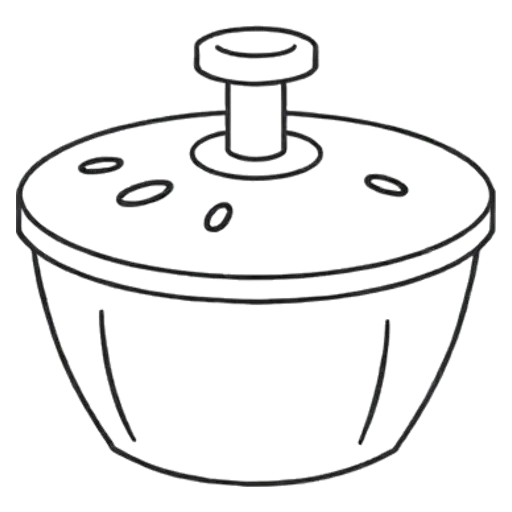
Salad-spinner color spin
🌀 rotation

Salad-spinner color spin

👶
ages 3–5
3–5 min setup
~10 min
Wipes up
1
Set up

Cut paper to fit the inside of a salad spinner. Squeeze 3–4 small dollops of washable paint onto the paper. Close the lid. Hand to child.

2
Show your kid (30 sec)

Spin the handle. Open the lid. Wow.

3
What you'll see

Squeals. Demand for more colors. Immediate request to do it again with different paint placement. Kids will refine their "method" — more dots, less dots, this color in the middle, etc.

4
When they want to go again

Try only two colors and watch them blend. Use food coloring on white paper for a less-messy version. Spin slow vs fast.

Why this one made the list

A "wow"-tier reveal that earns its setup minutes back tenfold in repeat plays. The mess is contained inside the spinner — easy mess-boundary pass. Hits rotation and transforming at once. One of the few "product" entries in this database where the product is a side effect — the spinning is still the activity.

🔭 Orientation

Looking at the world from new angles — upside down, climbing, peeking.

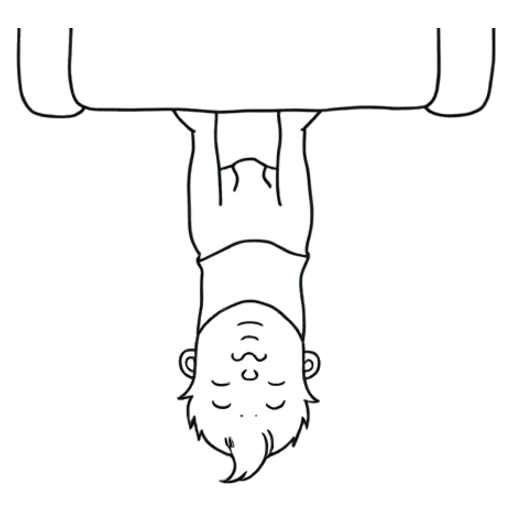
Upside-down world
🔭 orientation

Upside-down world

👶
ages 2–5
<60 sec setup
~5 min
No cleanup
1
Set up

Find a couch or low chair.

2
Show your kid (30 sec)

Lie on your back on the floor with your head right against the front of the couch. Tilt your head back so you're looking at the room from the ceiling-down. "Look — the room is upside down."

3
What you'll see

Giggling. "Now I'm on the ceiling!" Most kids spend 5 minutes naming what's on the (now-)floor and ceiling, then run off to find the next ceiling.

4
When they want to go again

Hang knees over the couch arm so the head dangles (only briefly, and only for kids who can tell you when it's too much). Make up a story about "the upside-down world." Crawl through a chair-leg "tunnel."

Why this one made the list

Vestibular input plus pure perspective shift — kids who do this regularly tolerate motion better and develop spatial reasoning. Zero materials. Repeats indefinitely because the world keeps having new ceilings to discover.

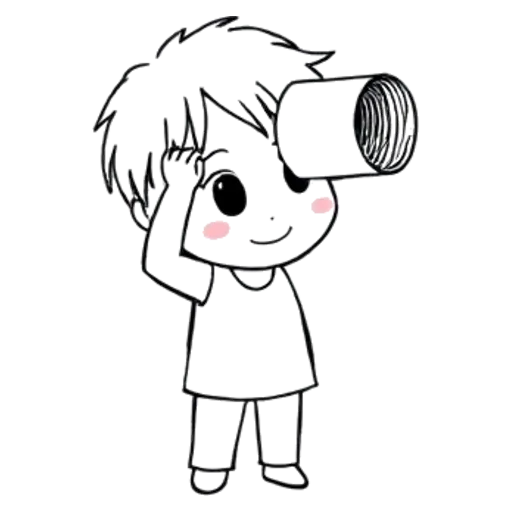
Periscope from a paper-towel tube
🔭 orientation

Periscope from a paper-towel tube

👶
ages 4–5
<60 sec setup
~10 min
No cleanup
1
Set up

Hand the child a paper-towel tube.

2
Show your kid (30 sec)

Hold the tube up to your eye. Look through it. Slowly pan around. "I see a chair. I see a lamp. I see you."

3
What you'll see

A 4-year-old will spy on everything from behind couch cushions. The narrow field of view changes the quality of looking — they notice details they normally miss.

4
When they want to go again

Bend the tube (use two tubes taped at right angle) for a real periscope feel — works for looking around corners. Add a "spy list" — find five round things, three blue things.

Why this one made the list

Restricted field of view is genuinely a perceptual workout — sees the world differently. Cardboard tube + zero else. Sets up a "looking" practice that's the foundation of focused attention.

Cushion fort with one peephole
🔭 orientation

Cushion fort with one peephole

👶
ages 3–5
1–3 min setup
20+ min
Wipes up
1
Set up

Pull cushions off the couch. Lean them against each other to make a small enclosed space. Leave one small gap — the peephole.

2
Show your kid (30 sec)

Crawl inside. Peek out through the peephole. "Hello!"

3
What you'll see

Total immersion. Kids will spend an hour in a cushion fort and play seven different pretend games inside it. The "world out there, me in here" is half the appeal.

4
When they want to go again

Add a blanket roof. Two forts that connect via "tunnel" (a gap between cushions). Snack inside the fort.

Why this one made the list

Pure orientation + enclosure overlap — the schema gets satisfied two ways at once. Free materials. The mess is "put the couch back," which is a 30-second cleanup. Survives the longest spans of any indoor activity.

Mirror under the chair
🔭 orientation

Mirror under the chair

👶
ages 3–5
<60 sec setup
~5 min
No cleanup
1
Set up

Hand the child a small handheld mirror. Show them the underside of a chair.

2
Show your kid (30 sec)

Hold the mirror flat in your palm, raise it slowly under the chair. Look down into it. The mirror shows the chair's underside without you having to lie down.

3
What you'll see

Quiet, focused exploration. Kids will go around the house "mirror-checking" the underside of every table, fridge, and rug. Reverses the everyday view.

4
When they want to go again

Walk while looking only at the floor in the mirror — you're "walking on the ceiling." Lay the mirror flat on the floor and look down into the "hole."

Why this one made the list

Mirrors as orientation tools instead of vanity tools — kids find them genuinely strange and interesting. One household item. Quietens an over-stimulated kid (the OT crowd calls this "regulating input"). Travels in a backpack.

🧪 Transforming

Mixing, melting, changing state — paint, water, ice, kitchen chemistry.

Color mixing on a tray
🧪 transforming

Color mixing on a tray

👶
ages 3–5
1–3 min setup
~10 min
Wipes up
1
Set up

Fill three small cups with water. Add a few drops of food coloring to each (one red, one yellow, one blue). Put on a tray. Add a dropper or spoon and an empty fourth cup.

2
Show your kid (30 sec)

Pick up the dropper. Take some red. Squirt it into the empty cup. Take some yellow. Add it to the same cup. Watch it turn orange. "Oh."

3
What you'll see

Wide-eyed wonder. Methodical mixing. The discovery that all three together make brown. Then the question "what happens if I do all the red?"

4
When they want to go again

Use ice-cube trays for many small mixes. Add a paper coffee filter to soak up the color into a tie-dye look. Switch droppers for turkey basters for harder volume control.

Why this one made the list

The transforming schema in its cleanest possible form. The chemistry is the discovery; the parent isn't explaining. Control of error is visible (the color is whatever it is). Tray contains the spills.

Baking soda and vinegar
🧪 transforming

Baking soda and vinegar

👶
ages 3–5
1–3 min setup
~10 min
Wipes up
1
Set up

Put a tablespoon of baking soda in each well of a muffin tin (or a single small dish). Put vinegar in a small cup with a dropper. Place on a tray.

2
Show your kid (30 sec)

Drop one drop of vinegar onto the baking soda. Watch the fizz. Drop another.

3
What you'll see

Astonishment, every single time, even on the tenth play-through. "It's bubbling!" Most kids will dropper-by-dropper across all the wells, then ask for more vinegar.

4
When they want to go again

Add a drop of food coloring to each well so the reaction is colorful. Replace dropper with a small spoon for less control. Try lemon juice instead.

Why this one made the list

Transforming, full stop — the actual material state changes. Cheap, ubiquitous kitchen ingredients. Wonder-loop is intrinsic; doesn't get less interesting on day 5 because the cause-effect is still novel. The reaction itself is the control-of-error.

Oobleck (cornstarch + water)
🧪 transforming

Oobleck (cornstarch + water)

👶
ages 3–5
3–5 min setup
20+ min
Wipes up
1
Set up

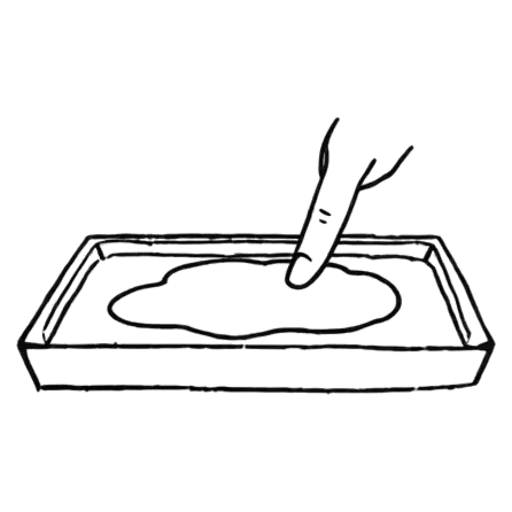
In a bowl, mix about 1 cup cornstarch with about ½ cup water. Stir to the consistency where it's solid when pressed and liquid when scooped. Pour onto a tray.

2
Show your kid (30 sec)

Push your finger in slowly — it goes in. Slap the surface — it's hard. Pick some up; it dribbles.

3
What you'll see

Disbelief. Repeated slapping. Squeezing into a ball that "melts" in the palm. This is the most reliably 20-minutes-of-silence activity in the entire list.

4
When they want to go again

Drop a small toy in. Add color. Push a fork through. Try to roll a ball that stays solid (you can't).

Why this one made the list

A non-Newtonian fluid is a transforming-schema event. The control of error is the substance itself. Cleans up with a rinse — and dry oobleck flakes off after it's totally dry. Cornstarch is inexpensive enough that the parent doesn't wince at the use.

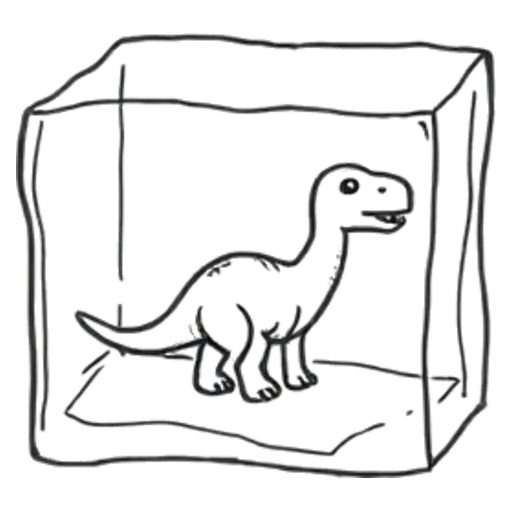
Ice rescue
🧪 transforming

Ice rescue

👶
ages 2–5
<60 sec (overnight prep) setup
20+ min
Bath / outside only
1
Set up

The night before: drop a handful of small plastic toys into a bowl of water. Freeze overnight. The day of: turn the ice block out onto a tray.

2
Show your kid (30 sec)

Press your warm hand on the ice. Watch a tiny bit melt around your palm. "How do we get the dinosaur out?"

3
What you'll see

Banging with a spoon. Pouring warm water from a dropper. Patience and impatience trading off. The 20-minute solo-play threshold gets crossed regularly here.

4
When they want to go again

Bury the toys in layers (freeze, add water, freeze again) for harder rescues. Use salt — kids 4+ love watching it eat through the ice. Color the water with food coloring.

Why this one made the list

Solid-to-liquid is the state-change schema, full stop. The melt is its own clock — no adult needed to "end" the activity. Plastic toys you already own become "trapped." Best run on a hot afternoon outside.

More from Hello Playdate

Made with by Pressiveweb
Hello Playdate beta

Send feedback

🙏
Thanks — we read every one.
You can close this or send another.
Including: page URL, viewport ▾
page:
viewport: