




The Complete Guide to Preschool Playdates
Preschool is where friendships really start to take shape. Your child comes home talking about their best friend, begging to see them outside of school, and suddenly "playdate" becomes the most important word in their vocabulary.
But preschool playdates come with their own set of questions. Should you stay? How long is too long? What if there's a meltdown? This guide covers everything you need to know about setting up and surviving playdates for ages 3-5.
When Are Kids Ready for Playdates?
Most children are ready for some form of playdate by age 2.5-3, but what "ready" looks like changes significantly across the preschool years.
Age 2-3: Parallel Play
At this age, kids play next to each other more than with each other. That's completely normal. Developmental researchers call this parallel play, and it's a healthy stage of social development. A playdate at 2-3 is really two kids doing their own thing in the same room while parents chat. They'll share occasional moments (handing a toy over, laughing at the same thing) and that's enough. Don't force interaction.
Age 3-4: Emerging Interactive Play
Now you'll start to see actual cooperation. They'll build a tower together, play pretend with shared roles ("you be the dog, I'll be the owner"), and start figuring out sharing and turn-taking. Conflicts are frequent and normal. They're learning.
Age 4-5: Collaborative Play
By 4-5, kids can sustain cooperative play for longer stretches. They invent games, assign roles, negotiate rules, and form genuine preferences for specific friends. The CDC's developmental milestones for this age include playing cooperatively and showing concern for others. This is when playdates become truly interactive and when kids start asking for them by name.
How to Set Up a Preschool Playdate
Step 1: Let Your Child Lead
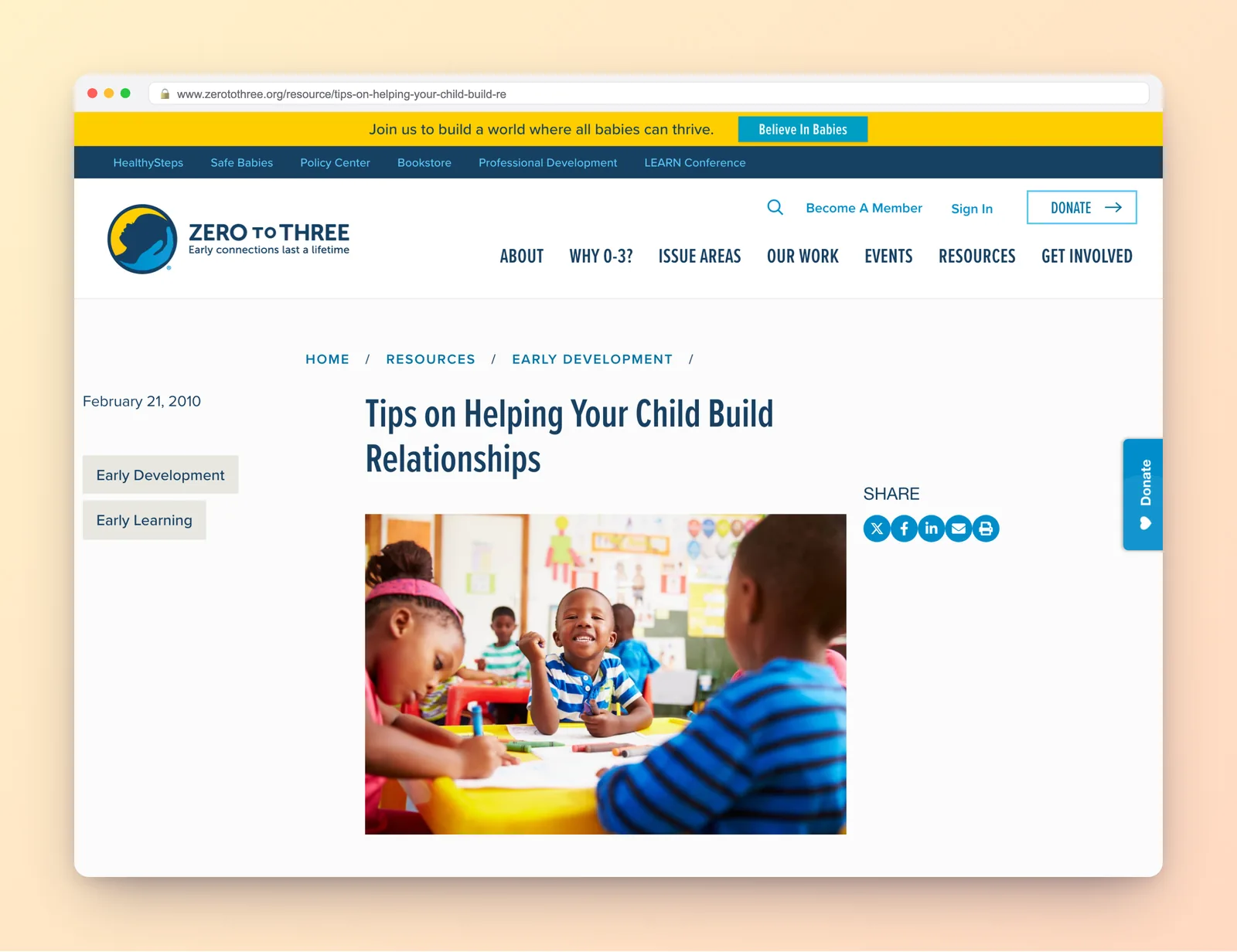
Ask your child who they want to play with. The names they repeat most often are the friendships worth investing in. Don't override their preferences based on who you'd rather hang out with. Early friendships are a key part of social-emotional development.
Step 2: Make the Connection
Approach the other parent at pickup, drop-off, or during a school event. A simple "Our kids seem to love playing together. Would yours want to come over sometime?" is all you need.
If you find the contact exchange awkward, a playdate card makes it easy. Hand it over, let them text when they're ready. No fumbling with phones at a noisy pickup line.
Step 3: Choose the Right Setting
For first playdates, a neutral location like a park or playground takes the pressure off everyone. Once families are comfortable, home playdates work great for preschoolers. They can spread out with toys, do art projects, and have snacks at a table.
Step 4: Set Clear Details
Text the other parent with specific options: "Would Thursday or Friday work? I was thinking 3:30-5pm at our house." Include the activity plan if you have one ("we'll probably do some painting and play outside"), so they know how to dress their kid.
How Long Should a Preschool Playdate Last?
Shorter than you think. Preschoolers have big emotions and limited stamina for social situations.
- Age 3: 1 to 1.5 hours is plenty. End on a high note before anyone melts down.
- Age 4: 1.5 to 2 hours works well. They can sustain play longer but still need a clear end time.
- Age 5: 2 to 2.5 hours is the sweet spot. Some kids can handle longer, but it's better to leave them wanting more.
The golden rule: end the playdate while it's still fun. A playdate that wraps up with happy kids leads to another invitation. One that ends in tears makes everyone hesitant to try again.
Should Parents Stay?
Short answer: it depends on the kid. But here's a general breakdown.
- Age 3: Yes, almost always. Most 3-year-olds aren't ready to be left with unfamiliar adults. The visiting parent should plan to stay.
- Age 4: It depends. If the families know each other well, a 4-year-old may be fine with drop-off. For first playdates, the parent should stay. Ask: "Would you like to stay or is drop-off okay?"
- Age 5: Many 5-year-olds are comfortable with drop-off, especially with familiar families. But never assume. Always ask the parent and respect their preference.
If a parent stays, have coffee or tea available. These are networking moments for you too. Some of the best parent friendships start on a preschool playdate couch.
Best Activities for Preschool Playdates
If you're staring at the clock and the friend arrives in 20 minutes, our activity finder has 36 ideas tagged by age, materials, and play schema — built for the 3–5 crowd. Pick one and print it. Below are the broader categories that tend to land at this age.
Sensory Play
Playdough, kinetic sand, water tables, sensory bins with rice and scoops. Preschoolers are wired for sensory exploration, and these activities naturally encourage parallel-to-cooperative play.
Dress-Up and Pretend Play
A bin of costumes, hats, and accessories fuels imagination for an impressively long time. Doctor's office, restaurant, superhero headquarters. Let them set the scene. This is where preschool friendships really deepen.
Art and Crafts
Watercolors, markers, stickers, glue, and construction paper. Set up a table, put out materials, and let them create. For mess containment, lay down a plastic tablecloth and have wet wipes ready. Check out our indoor playdate ideas for more structured art projects.
Outdoor Play
Sandbox, bubbles, chalk, balls, sprinklers in warm weather. Outdoor play burns energy and tends to produce fewer conflicts than indoor play because there's more space. A backyard with a few toys is all you need.
Simple Board Games
Candy Land, Hi Ho! Cherry-O, The Sneaky Snacky Squirrel Game, and memory matching games. These teach turn-taking, which is one of the most important social skills at this age. Expect to referee. That's part of it.
Building Projects
Duplo, MagnaTiles, wooden blocks, or train tracks. Building together is collaborative without requiring kids to share a single item. Each child can build their own section while contributing to a shared creation.
Handling Common Preschool Playdate Issues
Sharing Conflicts
This is the #1 issue at preschool playdates. Before the friend arrives, talk to your child about which toys they'd like to share and which ones they can put away. It's okay to remove a few precious items. Forcing kids to share everything is unrealistic and just creates resentment.
When conflicts happen (they will), help kids use words: "I'm still using this. You can have it when I'm done." Model turn-taking rather than demanding instant sharing.
Meltdowns
Preschoolers get overstimulated, hungry, or tired, and then they fall apart. If a meltdown happens, stay calm. Offer a snack, suggest a quieter activity, or give the child some space. If it's bad, it's time to wrap up. That's not a failure — it's a sign the playdate lasted exactly as long as it should have.
Separation Anxiety
Some kids are nervous at other people's houses, and separation anxiety is common in preschool-aged children. Have a plan: "You can call mom/dad anytime." Show them around the house. Let them bring a comfort item from home. Usually the anxiety fades within 10-15 minutes once they're engaged in play. If it doesn't, the parent can come back early. No shame in that.
One Kid Doesn't Want to Play
Sometimes kids who love each other at school don't click at a playdate. Different environment, different dynamic. Don't force it. Suggest a new activity, offer a snack, or gently shorten the playdate. Not every combination works outside of school, and that's fine.
Snacks for Preschool Playdates
Always ask about allergies before the playdate. Text the other parent: "Does your child have any food allergies or things they can't eat?" This is non-negotiable at any age.
Good preschool playdate snacks: cut fruit, crackers and cheese, veggie sticks with hummus, apple slices, and water. Keep it simple. You're not serving a meal. For more ideas, see our playdate snack guide.
Got a kid with allergies or a regular sitter?
Wallet-sized emergency contact card — fill it out, print it, tuck it into the diaper bag.
Make an Emergency Card →Building Your Preschool Parent Network
Preschool is when your parent network forms. The families you connect with now often stay in your circle through elementary school and beyond. These are the people who'll watch your kid in a pinch, split carpool duties, and text you at 10pm asking if there's school tomorrow.
Don't wait for connections to happen on their own. Be the one who reaches out.
- Talk to parents at pickup. Even 2 minutes of conversation builds familiarity over time.
- Attend school events. Curriculum nights, fall festivals, and class parties are where faces become friends.
- Be the inviter. Someone has to make the first move. If your child mentions a friend, reach out to that parent. Most people are waiting for someone else to go first.
- Reciprocate. If someone hosts your child, invite theirs back within a few weeks.
For more on building connections with other parents, check out our guide to networking for moms.
Ready to start connecting with preschool parents? A free playdate card makes the contact exchange easy. Hand it out at pickup and let the playdates begin.
Sources
Guidance in this article draws on the following authoritative resources.
- National Association for the Education of Young Children. “Play.” naeyc.org
- Centers for Disease Control and Prevention. “Milestones by 4 Years (Learn the Signs. Act Early.).” cdc.gov
- ZERO TO THREE. “Tips on Helping Your Child Build Relationships.” zerotothree.org
- American Academy of Child & Adolescent Psychiatry. “Children Who Won’t Go to School (Separation Anxiety).” aacap.org
Keep Reading
What Is a Playdate? Meaning, Ages & How to Plan One
What a playdate actually is, how it works, and why it matters for your child's social development. A no-nonsense guide for parents.
42 Playdate Ideas Kids Actually Love (Toddler to Age 10)
42 playdate ideas for every age — toddler to 10, indoor and outdoor. Fresh games, crafts, snacks, and hosting tips. No boring, no Pinterest-perfect required.
Playdate Etiquette: How Long, Drop-Off & the Do's and Don'ts
How long should a playdate last, do you stay or drop off, and what to ask first — a simple playdate etiquette guide for parents, by your kid's age.
Your Child's First Playdate: Tips, What to Expect & Ideas
Everything for your child's first playdate — how to pick the right friend, what to expect, how long to stay, and calming first-time nerves.