




What Is a Mommy Card? Everything You Need to Know
You're standing at school pickup. Your kid runs over with a new friend and says, "Can we have a playdate?" The other parent smiles. You fumble for your phone, they fumble for theirs, someone's hands are full of lunchboxes and jackets, the pickup line is moving, and before you know it you've both walked away without exchanging a single digit.
Sound familiar? That exact scenario is why the mommy card exists.
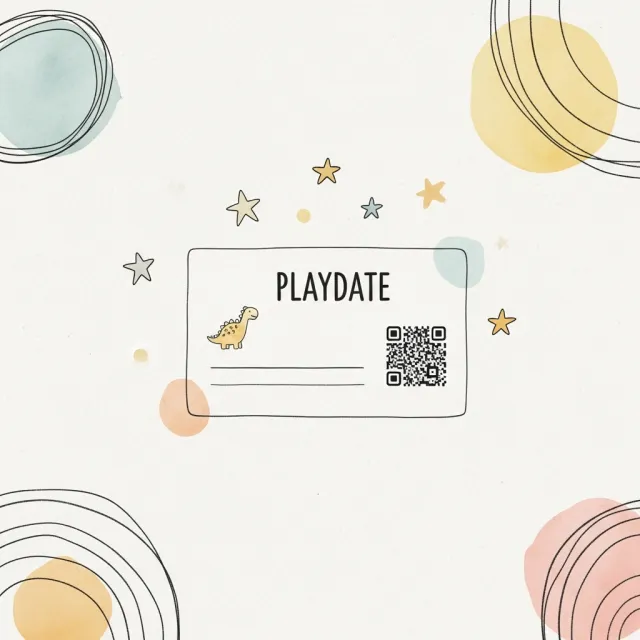
A mommy card (also called a parent contact card or playdate card) is a small printed card that parents hand out at school pickup, sports practice, birthday parties, and playdates to share their contact information with other parents. It's basically a business card, but instead of your job title, it has your child's name, your phone number, and everything another parent needs to set up a playdate.
This guide covers where mommy cards came from, what to put on one, how to make your own, and the unwritten rules of handing them out. If you've got kids, a mommy card will save you time, cut the awkwardness, and help your kids build the friendships they're asking for.
The History of Mommy Cards
The concept of handing someone a small card with your contact information is centuries old. Visiting cards (also called calling cards) were a staple of European social life in the 18th and 19th centuries. You'd leave your card on a silver tray in someone's foyer to announce that you'd stopped by. Polite, efficient, and expected.
Fast forward to the 20th century, and the business card became ubiquitous in professional life. By the early 2000s, parents, particularly stay-at-home moms who'd left the corporate world, started adapting the idea. They didn't need a card that said "Vice President of Marketing." They needed one that said "Oliver's mom, here's my number, let's do Tuesday."
The term "mommy card" started appearing in parenting blogs and magazines around 2005-2008. Early versions were totally DIY: printed on home printers, cut with scissors, sometimes handwritten. Eventually Etsy shops started selling custom designs, and services like Moo and Vistaprint added "mommy card" templates to their catalogs.
Today, mommy cards have evolved again. Modern parent contact cards often include QR codes, social media handles, and even a child's photo. They're for any parent, guardian, or caregiver who wants a faster way to connect with other families.
Why Every Parent Needs a Mommy Card
If you've ever thought, "I don't need a card, I can just give out my number," consider how many of these situations you've been in:
- The rushed pickup exchange. The car line is moving. You have 45 seconds to exchange information with a parent you've never met. Neither of you can find your phone's contact app fast enough.
- The forgotten name. You've chatted with the same parent at three different soccer games. You still don't know their name, and it's too late to ask. A mommy card would have solved this at game one.
- The birthday party scramble. Your child is invited to a party where you know exactly one family. You'd love to connect with the other parents there, but swapping numbers in a room full of screaming kids and cake is… a lot.
- The new school year. New class, new teacher, new parents. Your child has already made three friends on day one, and you need to connect with their families before the momentum fades.
- The park encounter. Your kid hits it off with another child at the playground. You'll probably never see that family again unless you exchange info right now.
A mommy card eliminates the friction in every one of these moments. You reach into your bag, hand over a card, and say, "Text me, we'd love to set up a playdate." Done. No fumbling, no forgetting, no lost opportunities.
It also signals something important: you're approachable. Handing someone a card says, "I'm open to connecting." More parents struggle with the social side of school life than you'd think. A mommy card is a low-pressure way to put yourself out there.
What to Put on a Mommy Card
The beauty of a mommy card is its simplicity. You don't need to overthink it. Most parents include the following:
The Essentials
- Your child's name (and age or grade). This is the anchor. The other parent needs to match the card to the kid. "Sophia, age 6" or "Sophia, 1st grade at Elm Street Elementary" both work.
- Your name. First name is fine. Last name is optional but helpful if you're in a large school community. Include your relationship if it's not obvious: "Sophia's mom," "Sophia's dad," "Sophia's nana."
- Phone number. This is the primary contact method for most parents. One number is enough.
- Email address. Some parents prefer texting, others prefer email. Including both covers your bases.
Optional but Useful
- Your child's photo. Especially helpful when you're handing out cards at events where many kids are present. It helps the other parent put a face to the name.
- Neighborhood or general area. "We're in Riverside" helps the other parent gauge proximity without giving away your exact address.
- Allergies or dietary notes. If your child has a serious allergy, noting "Peanut allergy, please ask before snacks" on the card can be a safety net.
- Your child's interests. "Loves LEGOs, dinosaurs, and swimming" gives the other parent a conversation starter and helps them plan a playdate their kid will enjoy too.
- A QR code. Link it to your phone number, a WhatsApp chat, or a digital contact page. QR codes make it effortless for the other parent to save your info without typing anything.
- Social media handle. If you connect with parent friends on Instagram or Facebook, a handle can be a natural addition.
What to Leave Off
- Your home address. A neighborhood name is fine, but your full address is too much information for a card you're handing to near-strangers.
- Your child's school schedule. Sharing when and where your child is every day is a privacy risk.
- Anything you wouldn't want posted publicly. Treat a mommy card like a flyer: assume it could end up anywhere.
Mommy Card vs. Business Card: What's the Difference?
On the surface, a mommy card looks a lot like a business card. Same size, same concept. But the similarities pretty much end there.
A business card centers on you: your name, your title, your company. A mommy card centers on your child. The child's name is usually the most prominent element, because that's the connection point. The other parent doesn't care what you do for a living. They need to know which kid is yours.
Design-wise, mommy cards tend to be warmer and more playful. Bright colors, rounded fonts, illustrations of stars or animals, maybe a photo of your child. Business cards lean toward minimalism and professionalism. There's no rule against a sleek, simple mommy card, but most parents go with something that feels friendly rather than formal.
And then there's QR codes. Some business cards include them, but they're practically standard on modern mommy cards. A quick scan saves the other parent from manually typing your number while juggling a toddler, a diaper bag, and a half-eaten granola bar.
The biggest difference is what happens after the exchange. A business card leads to a LinkedIn connection or a sales follow-up. A mommy card leads to a text that says, "Hey, it's Sophia's mom from soccer. Does Saturday work for a playdate?" Different stakes. Different tone. The card should reflect that.
Mom Business Cards: A Modern Alternative
If you've searched around for these cards online, you've probably noticed the same product goes by half a dozen names. "Mom business cards" is one of the most common. It's the term that picked up steam in the early 2010s, when the mompreneur movement was at its peak and a lot of parents — many of them running small businesses from the kitchen table — wanted a card that could pull double duty: hand it to a client on Monday, hand it to a school parent on Friday.
The hybrid version never really worked. The information your dog-grooming customer needs is not the information another mom at the park needs, and squeezing both onto a 3.5" x 2" card made the design feel cluttered. So the language drifted. Most parents today reach for "mommy card" or "parent contact card" because those names describe exactly what the card is for: family connections, not commerce.
That said, "mom business cards" is still a perfectly fine way to describe a parent contact card, and a lot of parents search for it specifically. If that's the term you grew up hearing, you don't have to translate. You can make mom business cards online free in a few minutes using the same tools you'd use for any other mommy card — same template, same QR code, same eight-up sheet.
Playdate Business Cards: When You Need Them at Sports and School
Another common name for the same card: playdate business cards. This one tends to come up in very specific contexts — sports practices, school events, summer camps — where you're standing next to another parent for an hour and want a frictionless way to swap info before the kids run back to the field.
Sports sidelines are the classic case. You don't really know the other parents on the team yet, you're chatting between innings, and your kid has just declared their new best friend is the shortstop. Pulling out your phone to type a number into a stranger's contact app feels weirdly intimate. Handing them a small card is easier on both sides.
The card itself is identical to a mommy card — child's name, your number, QR code, maybe a photo. The framing is what changes. If you want one built specifically for these contexts, we have a free template at free playdate business cards with eight cards per sheet and a QR code baked in.
Mommy Calling Cards: A Newer Term for an Old Idea
Some parents call these "mommy calling cards," which is a nod to the 18th- and 19th-century visiting cards mentioned earlier in this post. The connection is real: a calling card was a small printed card you handed to (or left for) someone to let them know how to reach you. That's exactly what a mommy card does. The technology changed — paper to paper, but now with a QR code instead of an engraved monogram — but the social purpose is the same. If "calling card" feels more your style than "business card," nobody's stopping you from using it.
How to Make a Mommy Card
You have a few options, from fully DIY to done-for-you.
Option 1: Design Your Own from Scratch
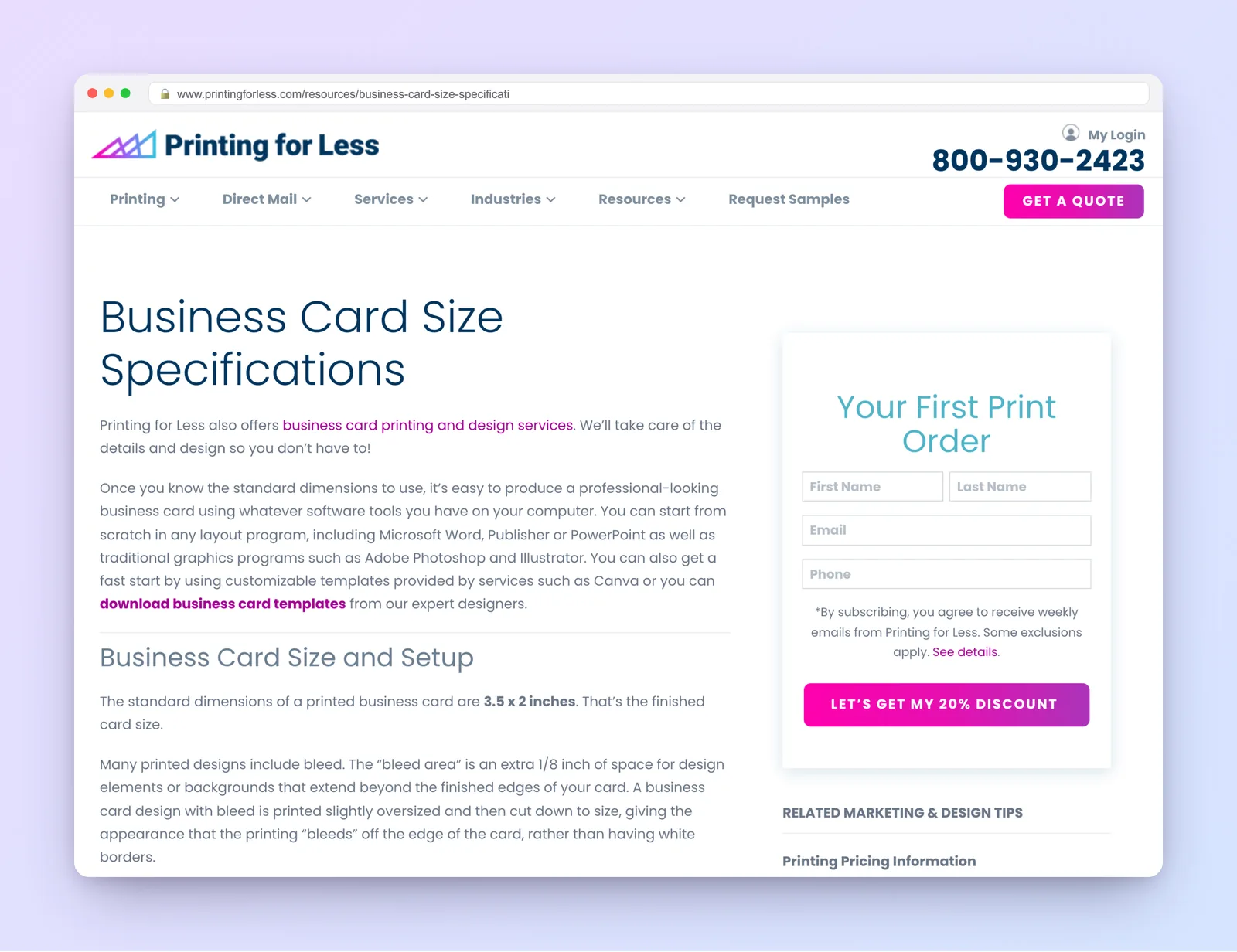
If you're comfortable with design tools like Canva, Adobe Express, or even Google Docs, you can create a mommy card from a blank canvas. Set the document to standard business card size (3.5" x 2"), add your text and images, and export as a PDF. Print at home on cardstock or send to a local print shop.
The upside: total creative control. The downside: it takes time, and getting the sizing right for print can be fiddly.
Option 2: Use a Template
Plenty of free and paid mommy card templates are available on Etsy, Canva, and template marketplaces. Search for "mommy card template" or "playdate card template," customize the text, and print. This saves design time while still giving you some creative input.
Option 3: Use Hello Playdate's Card Creator
If you want the fastest path from "I need a card" to "I'm holding printed cards," Hello Playdate's card creator is built specifically for this. Upload your child's photo, fill in your details, choose a design, and download a print-ready PDF with eight cards per sheet. The tool automatically generates a QR code that links to your contact info, so the other parent can save your number with one scan.
No design skills needed, no fussing with dimensions, no print shop required. Just a home printer and a sheet of cardstock. You can have cards in your hand in under ten minutes.
Option 4: Order Professionally Printed Cards
Services like Moo, Vistaprint, and Zazzle offer custom card printing with premium paper stocks and finishes. Upload your design (or use one of theirs), and they'll ship a stack of cards to your door. This is the best option if you want a polished, high-quality feel and don't mind waiting a few days for delivery.
Are Mommy Cards Only for Moms?
The short answer: no. The name is sticky because the trend started with moms, but in practice these cards belong to anyone who picks up, drops off, or arranges playdates. Dads, grandparents, nannies, stepparents, foster parents, aunts and uncles who do a Wednesday-afternoon shift — all of them benefit from the same little card.
Daddy Cards: Same Idea, Different Label
More dads are carrying contact cards every year, especially as fathers take on a bigger share of school pickup, sports, and playdate logistics. Some call them daddy cards, which is cute and lands well with school parents, but most dads we've talked to just go with "parent card" or "playdate card" on the actual card itself. The label on the card matters less than what's on it: your kid's name, your number, and a fast way to reach you. If "daddy card" is what you want printed across the top, that works too — Hello Playdate's card creator lets you write whatever you want there.
If you're a non-mom caregiver who's hesitated to make one of these because the name felt off, take this as permission. The card is for whoever does the playdate-arranging in your household. The branding will sort itself out.
Mommy Card Etiquette
There's no formal rulebook for mommy cards. They're inherently casual. But a few unwritten norms will help you use them without making things weird.
When to Hand Them Out
The best time to offer a mommy card is when there's a natural connection point. Your child just played with their child. You've been chatting at the sidelines. Someone mentions wanting to set up a playdate. These are green lights.
Don't walk into a birthday party and deal cards like a blackjack dealer. Context matters. A mommy card works best when it follows a conversation, not when it replaces one.
How to Offer One
Keep it simple and direct: "Here's my card, text me if your kiddo wants to get together." Or: "I made these little cards with my number. Way easier than trying to type it in while wrangling the kids." A touch of humor goes a long way.
If you're worried about seeming too forward, remember: most parents are relieved. They wanted to exchange info too and didn't know how to initiate it. You're doing them a favor.
What If They Don't Have One?
Most parents won't have a mommy card to hand back. That's completely fine. The point isn't a swap. It's giving them an easy way to reach you. If they want to connect, they'll text or call. If they don't, no harm done.
Respecting Boundaries
Not every parent wants to exchange information, and that's okay. If someone declines your card or seems hesitant, don't push. A polite "No worries! We're usually at the park on Saturdays if you ever want to meet up" keeps the door open without applying pressure.
Good playdate etiquette goes beyond the card itself. It's about reading social cues and respecting each family's comfort level.
The Reciprocity Factor
If someone gives you a mommy card, the polite move is to follow up within a day or two. Even just a quick text: "Hey, it's Emma's dad, great meeting you at the game! Let's find a time for the kids to play." This closes the loop and shows you valued the exchange.
Free Mommy Card Template
If you're ready to make your own mommy card but aren't sure where to start, we've made it easy. Hello Playdate offers free playdate cards that you can customize in minutes. Choose a design, add your child's photo and your contact information, and download a print-ready PDF.
Every card includes a QR code automatically. No extra steps. The other parent scans it with their phone camera and gets your info instantly. No app required on their end.
Whether you call it a mommy card, a daddy card, a parent card, or a playdate card, the result is the same: fewer missed connections and more playdates on the calendar.
Mommy Cards and the Bigger Picture
Parenting can be isolating. Nobody talks about this enough. Studies consistently show that parents of young children struggle with social connection. You're busy, you're tired, and the logistics of adult friendship feel impossible when nap schedules and school pickups run your life.
A mommy card is a small thing. It's a piece of cardstock with some text on it. But it represents something larger: a willingness to connect. Every card you hand out is a tiny bid for community. Some will lead to lifelong friendships. Others will lead to a single playdate that your kid still talks about months later. A few will end up in the bottom of a diaper bag, never to be seen again. That's all fine.
The point is that you tried. You made it easy for another parent to reach out. You lowered the barrier between "our kids like each other" and "let's actually make this happen."
If you're looking for more ways to build your parent network, our guide on networking for moms covers strategies that go beyond the mommy card, from joining local parent groups to making the most of school events.
A mommy card is for the grown-ups; the kids need one too. Pair it with a printable kids contact card — a wallet-sized card or babysitter sheet with parent, doctor, and allergy info — so whoever's watching your child always has the numbers they need.
Frequently Asked Questions
Are mommy cards only for moms?
Not at all. The term "mommy card" is the most common name, but these cards are used by dads, grandparents, nannies, and any caregiver who arranges playdates or pickups. Many families use the more inclusive term "parent contact card" or "playdate card." The function is the same regardless of what you call it or who carries it.
Do dads have mommy cards?
Absolutely. More and more dads carry parent contact cards, especially as fathers take on a larger role in school pickups, sports, and playdate coordination. Some people call them "daddy cards," but most dads just call them parent cards or playdate cards. Nobody cares what label is on the card. They care that they can reach you when their kid wants to play with yours.
How many mommy cards should I make?
A good starting point is 30 to 50 cards. That covers your child's class, sports team, and a handful of extras for birthday parties or spontaneous park meetups. If you print at home using a tool like Hello Playdate's card creator, you can always print more as needed. Each sheet gives you eight cards, so five sheets gets you 40.
Can I make mommy cards online?
Yes. Hello Playdate lets you design and print mommy cards for free right from your browser. Upload your child's photo, add your contact details, and download a printable PDF with eight cards per sheet. No design skills required, and every card comes with a QR code automatically. You can also use services like Canva or Vistaprint if you prefer more design control or professional printing.
What's the difference between a mommy card and a business card?
A business card centers on you: your name, your title, your company. A mommy card centers on your child, whose name is usually the most prominent element because that's the connection point. Mommy cards tend to be warmer and more playful, often include a photo of the child, and almost always feature a QR code so other parents can save your number without typing it in. Same paper size, completely different purpose.
Are playdate calling cards still a thing?
Yes — they're just called parent contact cards or playdate cards now. The modern version of a calling card is the same idea (a small printed card you hand to someone so they can reach you), updated with a child's name, your phone number, and usually a QR code that links straight to your contact info. The format evolved; the social purpose didn't.
Sources
Guidance in this article draws on the following authoritative resources.
- Wikipedia. “QR code.” en.wikipedia.org
- Pew Research Center. “Parenting in America Today (2023).” pewresearch.org
- Printing for Less. “Standard Business Card Dimensions.” printingforless.com
- American Psychological Association. “Combating Loneliness and Isolation.” apa.org
Keep Reading
What Is a Playdate? Meaning, Ages & How to Plan One
What a playdate actually is, how it works, and why it matters for your child's social development. A no-nonsense guide for parents.
42 Playdate Ideas Kids Actually Love (Toddler to Age 10)
42 playdate ideas for every age — toddler to 10, indoor and outdoor. Fresh games, crafts, snacks, and hosting tips. No boring, no Pinterest-perfect required.
Playdate Etiquette: How Long, Drop-Off & the Do's and Don'ts
How long should a playdate last, do you stay or drop off, and what to ask first — a simple playdate etiquette guide for parents, by your kid's age.
Your Child's First Playdate: Tips, What to Expect & Ideas
Everything for your child's first playdate — how to pick the right friend, what to expect, how long to stay, and calming first-time nerves.