







Your Child's First Playdate: What Every Parent Should Know
Your child has a friend. A real one, not just a kid who happens to be at the same park. They talk about them at dinner, they look for them at drop-off, and now they're asking the big question: "Can they come to our house?"
The first playdate is a milestone. For your child, it's one of their first steps into independent socializing. For you, it's the start of a new kind of relationship with both the child and their parents.
The good news: it doesn't have to be complicated.
When Is Your Child Ready?
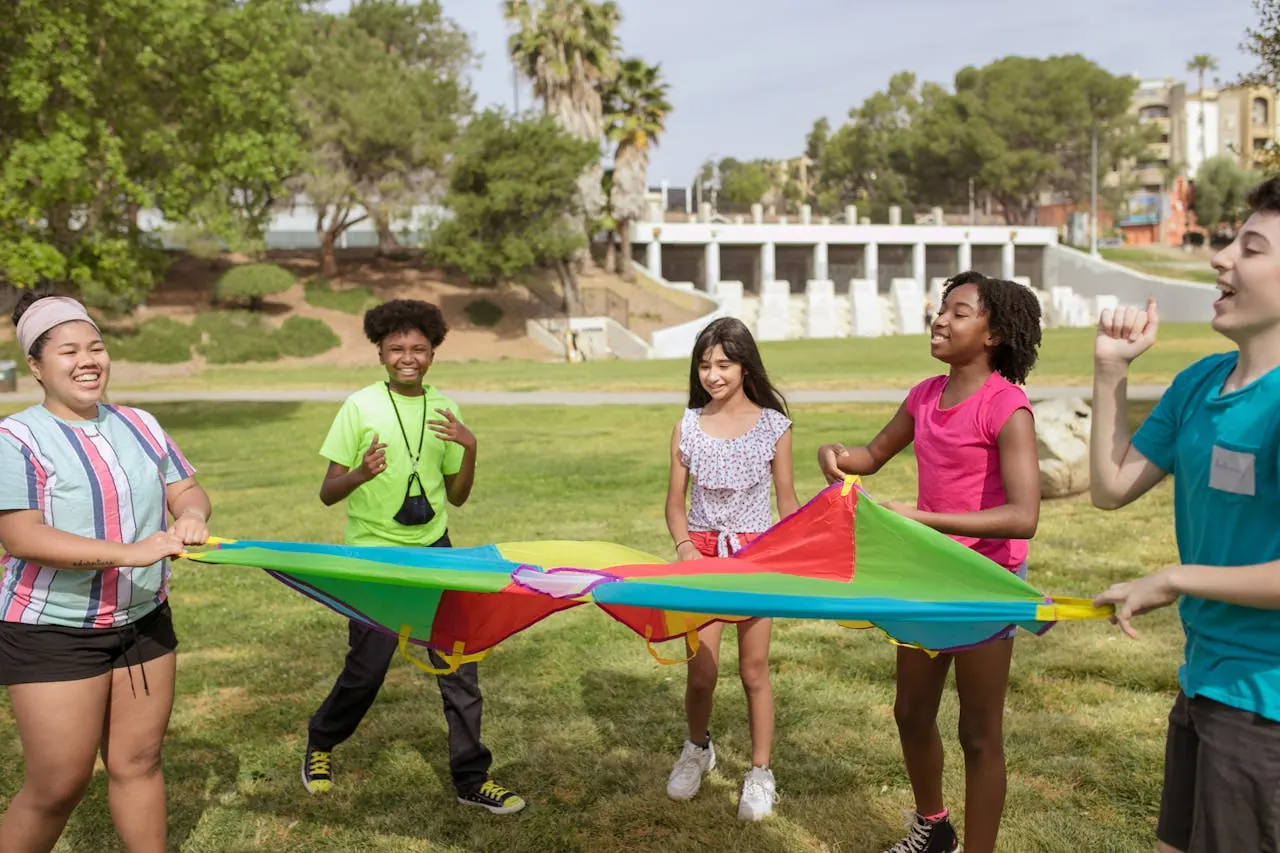
There's no magic age, but most children show key social-emotional milestones that signal readiness for a playdate:
- They talk about a specific friend by name, consistently, not just once
- They can follow simple rules ("we don't throw toys") without constant supervision
- They can communicate basic needs ("I'm hungry," "I need to go potty")
- They show interest in playing with other kids, not just next to them
For most kids, this happens somewhere between ages 2.5 and 4. But every child is different. A 3-year-old who loves people might be more ready than a shy 5-year-old. Follow your kid's lead, not a timeline.
Choosing the Right First Friend
The ideal first playdate partner is a child your kid already feels comfortable with. Someone from their class, their sports team, or your neighborhood. Look for:
- Compatible energy levels. A very active child paired with a very quiet child can be a tough first playdate. Similar temperaments make things easier.
- Mutual interest. If your child talks about this friend and the friend talks about your child, that's the strongest signal.
- Approachable parents. You're going to need to coordinate with the other parent, so choose a family where the parent seems open and easy to communicate with.
How to Reach Out
This is the part that trips up most parents. You know you want to set it up, but what do you actually say?
Keep it simple. At school pickup or an activity:
"Hi, I'm [your name], [your child]'s mom/dad. Our kids seem to really get along! Would [their child] want to come over for a playdate sometime? We're pretty flexible."
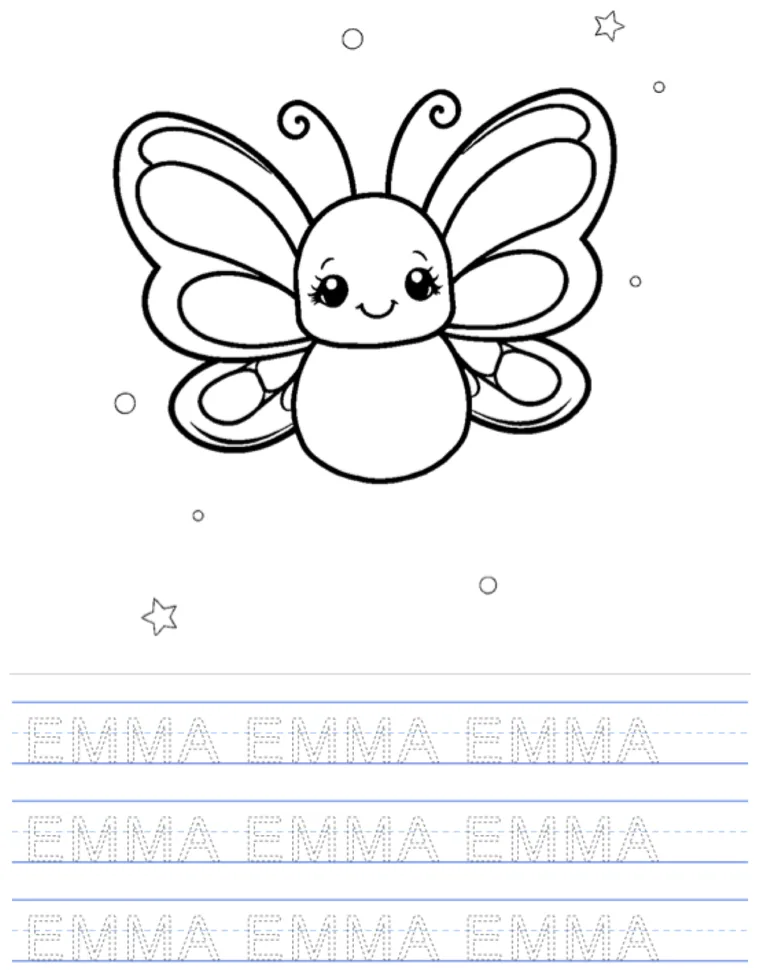
Then exchange contact info. This is where a playdate card comes in handy — hand it over, no fumbling with phones in a noisy pickup line. The other parent can text you when it's convenient.
If you already have their number, text within 48 hours while the connection is fresh:
"Hey! It's [your name], [child]'s mom/dad from [school/class]. Would [their child] want to come over for a playdate [day]? I was thinking [time] to [time]. We'll probably just play in the backyard and have a snack."
For more message templates, see our playdate invite messages guide.
Planning the First Playdate
Keep It Short
60-90 minutes for younger kids (3-4), up to 2 hours for older kids (5+). It's always better to end while everyone's still having fun than to push it until someone has a meltdown.
A great short playdate leads to a second invitation. A long, exhausting one doesn't.
Host First
For a first playdate, hosting at your house gives your child the comfort of their own environment. They know where their toys are, they feel confident, and they're more likely to engage. The visiting child is the one adapting, so being on home turf helps your child be a good host.
Have Activities Ready (But Don't Over-Plan)
Have 2-3 activities in your back pocket, but don't script the whole playdate. Set out a few toys, maybe an art project or building materials, and see what the kids gravitate toward.
Good first playdate activities:
- Outdoor play: backyard, bikes, bubbles, sidewalk chalk
- Art table: markers, paper, stickers, playdough
- Building: LEGO, blocks, MagnaTiles
- Pretend play: dress-up, kitchen set, action figures
For more ideas, check our 35 playdate ideas by age.
Prepare Simple Snacks
Ask about allergies first. Text the parent before the playdate: "Does [child] have any food allergies I should know about?" Then keep snacks simple: fruit, crackers, cheese, and water. Don't stress about it — see our playdate snack ideas for easy options.
Put Away Special Toys
Before the friend arrives, let your child choose 2-3 toys that are off-limits for sharing. Put those away in a closet. Everything else that's out is fair game. This prevents the worst sharing conflicts and gives your child some control over the situation.
During the First Playdate
Stay Nearby (But Don't Hover)
Be in the room or nearby, but resist the urge to direct every interaction. The American Academy of Pediatrics recommends age-appropriate supervision that gives children room to build independence. Step in for safety or if things escalate, but give them space to figure it out themselves.

Let Kids Handle Small Conflicts
Two preschoolers will disagree. They'll grab a toy, say "that's mine," or want to play different things. These small conflicts are actually how young children develop conflict resolution skills. They're learning moments, not emergencies. Wait a few seconds before intervening. Often kids work it out faster than we expect.
When you do step in, narrate instead of judge: "It looks like you both want the red truck. What could we do so everyone gets a turn?" Model problem-solving rather than imposing solutions.
When to Step In
Intervene when:
- Someone is getting physically hurt
- One child is being excluded or bullied
- The conflict has gone on for more than a minute without resolution
- A child is clearly distressed (not just mildly frustrated)
Handling Common First Playdate Challenges
Separation Anxiety
If the visiting child gets upset when their parent leaves (for drop-off playdates), have a plan. Separation anxiety is completely normal at this age. Show them around the house. Introduce them to a pet if you have one. Get them engaged in an activity quickly because distraction is usually the best medicine.
Keep the parent's number handy and be prepared to call if the child doesn't settle within 15-20 minutes. Most kids calm down once they start playing.
Tears
Someone will probably cry at some point. A bonked knee, a toy dispute, missing mom. It happens. Stay calm, comfort the child, and redirect. If a visiting child is inconsolable, contact their parent. It's not a reflection on your hosting. Sometimes kids just need their people.
Kids Not Clicking
Sometimes kids who seem like best friends at school don't gel at a playdate. Different environment, different dynamic. If the kids aren't connecting, switch activities. Go outside. Offer a snack.
If it's still not working after trying a few things, shorten the playdate gracefully. Not every pairing works in every setting, and that's okay.
Screen Time Requests
"Can we watch a show?" will come up. Have your answer ready. If you'd rather keep screens off, try: "We're going to play today. No screens during playdates." If you're okay with a short show as a wind-down near the end, that's fine too. Just decide in advance so you're not caught off guard.
After the First Playdate
Follow Up with the Parent
Send a quick text that evening or the next day:
"[Child] had such a great time with [their child] today! They're already asking when they can play again. Thanks for letting them come over!"
This small gesture cements the relationship and opens the door for future playdates.
Ask Your Child
Ask specific questions rather than "Did you have fun?" Try: "What did you and [friend] play?" or "What was the best part?" Their answers tell you whether this is a friendship worth nurturing.
Plan the Next One
If it went well, suggest a reciprocal playdate within a couple of weeks. Offer to host again or let the other family take a turn. Keeping the momentum going is how casual acquaintances become real friendships, for both kids and parents.
First Playdate Checklist
- Ask your child who they want to invite
- Approach the parent and exchange contact info (or hand them a playdate card)
- Text with a specific date, time, and location
- Ask about food allergies before the playdate
- Prepare simple snacks and water
- Have 2-3 activities ready but don't over-plan
- Put away any special toys your child doesn't want to share
- Keep it short (60-90 minutes for first playdates)
- Stay nearby but give kids space to interact
- Have the visiting parent's phone number handy
- Send a follow-up text after the playdate
- Plan the next one while the connection is fresh
For the complete guide on hosting dos and don'ts, read our playdate etiquette guide. And if you're ready to start building your parent network, check out our tips on making mom friends.
Sources
Guidance in this article draws on the following authoritative resources.
- Centers for Disease Control and Prevention. “Milestones by 3 Years (Learn the Signs. Act Early.).” cdc.gov
- American Academy of Pediatrics. “Healthy Active Living for Families.” aap.org
- National Association for the Education of Young Children. “A Three-Step Approach to Help Children Navigate Conflict.” naeyc.org
- Child Mind Institute. “What Is Separation Anxiety in Children?.” childmind.org
Keep Reading
What Is a Playdate? Meaning, Ages & How to Plan One
What a playdate actually is, how it works, and why it matters for your child's social development. A no-nonsense guide for parents.
42 Playdate Ideas Kids Actually Love (Toddler to Age 10)
42 playdate ideas for every age — toddler to 10, indoor and outdoor. Fresh games, crafts, snacks, and hosting tips. No boring, no Pinterest-perfect required.
Playdate Etiquette: How Long, Drop-Off & the Do's and Don'ts
How long should a playdate last, do you stay or drop off, and what to ask first — a simple playdate etiquette guide for parents, by your kid's age.
The Complete Guide to Preschool Playdates (Ages 3-5)
Navigating preschool playdates for the first time? Learn age-appropriate activities, duration, and how to connect with other parents.