








The Introvert Mom's Guide to Networking
You're standing at school pickup, watching your kid wave goodbye to their best friend. You make eye contact with the other parent. You smile. They smile. And then... nothing. You both look at your phones and the moment passes.
If this sounds familiar, you're not alone. For a lot of parents (especially introverts, parents new to an area, or anyone who's simply out of practice) making connections with other parents feels surprisingly awkward. It shouldn't be this hard to say, "Hey, our kids should play together sometime."
This guide is for you. No forced small talk scripts, no "just put yourself out there" advice. Just practical strategies that actually work for real parents.
Why Parent Networking Actually Matters
"Networking" sounds like something you do at a conference, not at a playground. But building relationships with other parents has real benefits beyond your social life. A 2023 advisory from the U.S. Surgeon General highlighted the growing epidemic of loneliness and isolation among American adults. Parents of young children are especially vulnerable.
For your kids: Children with parents who know each other tend to have stronger friendships. Research on early childhood social development shows that when parents are comfortable with each other, playdates happen more naturally. Kids pick up on that ease, and it gives them permission to build deeper connections.
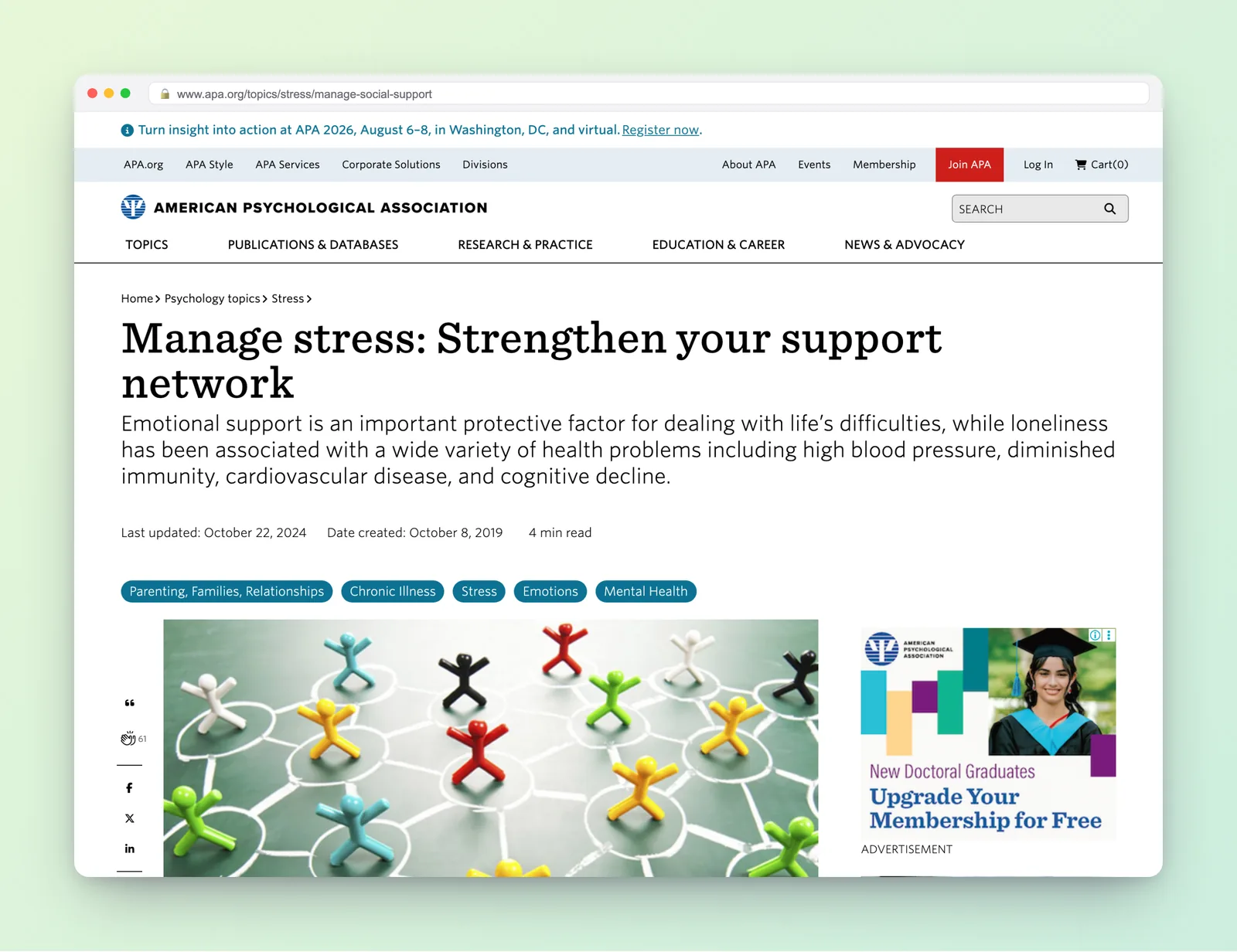
For you: Having a parent network means you have people to text when school sends a confusing email, someone to carpool with when life gets chaotic, and friends who actually understand why you're exhausted at 7pm on a Tuesday. Strong social support is consistently linked to lower stress and better mental health. Every parent could use more of both.
For emergencies: Knowing other parents in your child's circle means there's always someone you can call. Flat tire during pickup? Sick day overlapping with a work deadline? Your parent network is your safety net.
Where to Meet Other Parents
The best connections happen in places you're already going. You don't need to seek out special "networking events." You just need to be a little more intentional at the places you already are.
School Pickup and Drop-Off
This is the #1 opportunity most parents overlook. You're there every day, surrounded by parents whose kids are the same age as yours. Arrive 5 minutes early. Stand in the same spot. Familiarity breeds conversation. A simple "Is your kid in Ms. Johnson's class too?" is enough to start.
Sports and Activities
Soccer sidelines, swim lessons, dance class waiting rooms. These are gold. You're stuck in the same place for 30-60 minutes, you already share a common interest (your kids' activity), and the conversation writes itself: "How long has yours been doing this?"
Neighborhood and Parks
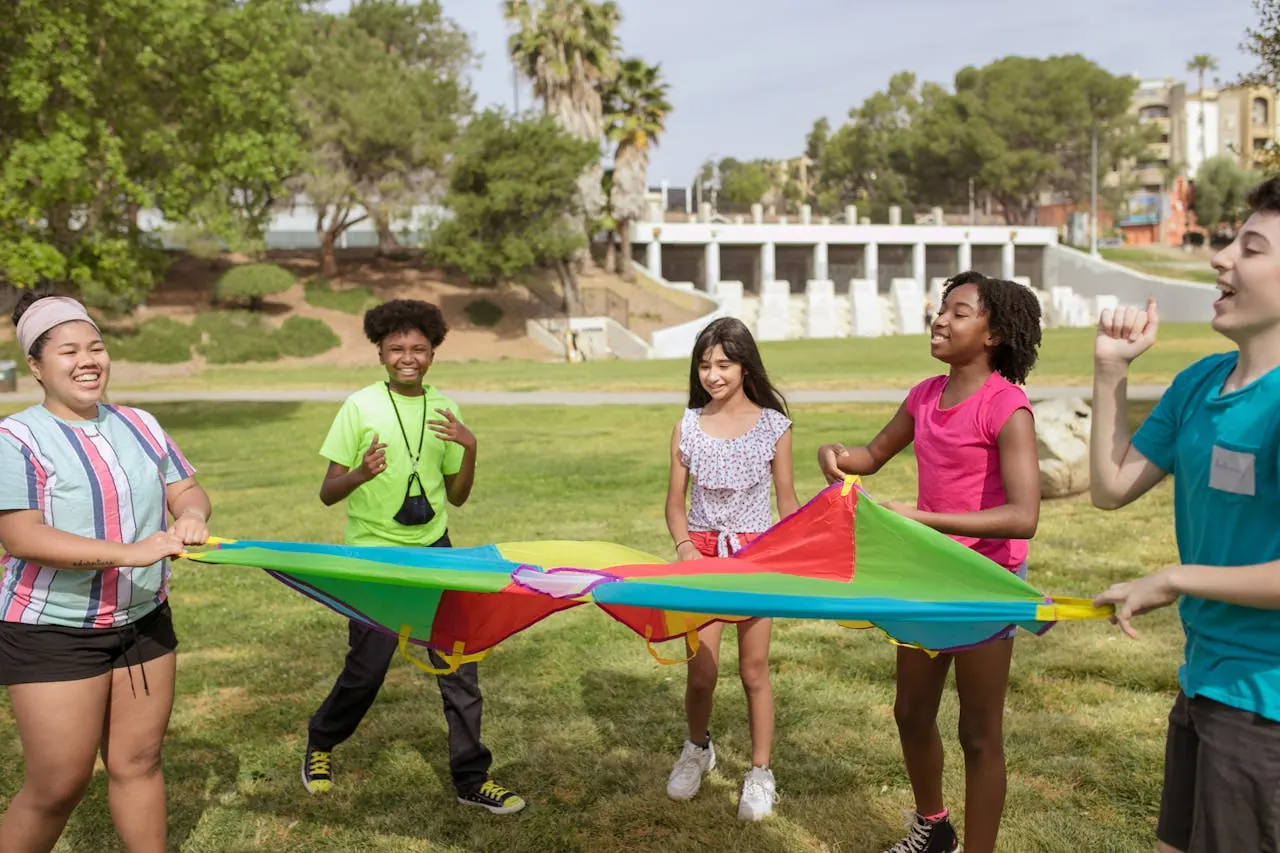
If your kid gravitates toward the same child at the park, that's nature doing the networking for you. Follow your child's lead. When kids click, the parent introduction becomes the most natural thing in the world.
Library Story Time and Community Programs
These tend to attract parents who are specifically looking to socialize (both for their kids and themselves). The atmosphere is usually more relaxed, and the structured activity gives you built-in conversation starters.
School Events and PTA
Back-to-school nights, school fairs, class parties, volunteer events. These are literally designed for parents to mingle. You don't have to join the PTA board, but showing up to one or two events per semester puts faces to names.
How to Start a Conversation (Without Feeling Weird)
You don't need a perfect opening line. You just need one sentence. These work every time:
- "Is your kid in [teacher's] class?" Simple, relevant, zero pressure.
- "How long has yours been doing [activity]?" Works at any sport or class.
- "We just moved to the area, do you know of any good [parks/activities/classes]?" People love giving recommendations.
- "Our kids seem to get along really well." The most natural transition to "we should set up a playdate."
- "I'm [your name], [child's name]'s mom/dad." Sometimes the simplest introduction is the best one.
Notice the pattern? Every single one is about your kids. You're not networking as a professional. You're connecting as a parent. The kids are the common ground.
The Contact Exchange Problem (And How to Solve It)
Here's where most parent connections die. You have a great conversation. Your kids are playing together beautifully. You both agree a playdate would be great. And then comes the moment:
"So... should I give you my number?"
One of you fumbles for your phone. The other one tries to read their number aloud in a noisy playground. Someone types it wrong. Or worse, you both just kind of trail off with "yeah, we should totally do that sometime" and never exchange info at all.
This is exactly why playdate cards exist. Instead of the awkward phone shuffle, you just hand over a card. Your name, your child's name, your contact info, and a QR code the other parent can scan later. Done.
It might sound old-fashioned, but there's a reason mommy cards are making a comeback. They eliminate friction. They're tangible. They don't get lost in a text thread. And they signal that you're genuinely open to connecting, which many parents appreciate.
Finding Local Moms Near You
Sometimes the parents at school aren't in your neighborhood. Or your child is too young for school. Or you've just moved to a new area and don't know anyone yet. There are other ways to find your people.
Facebook Groups
Search "[your city/neighborhood] moms" or "[your city] parents group." Most areas have at least one active group. These are great for finding out about local events, recommending pediatricians, and organizing playdates with kids the same age as yours.
Nextdoor
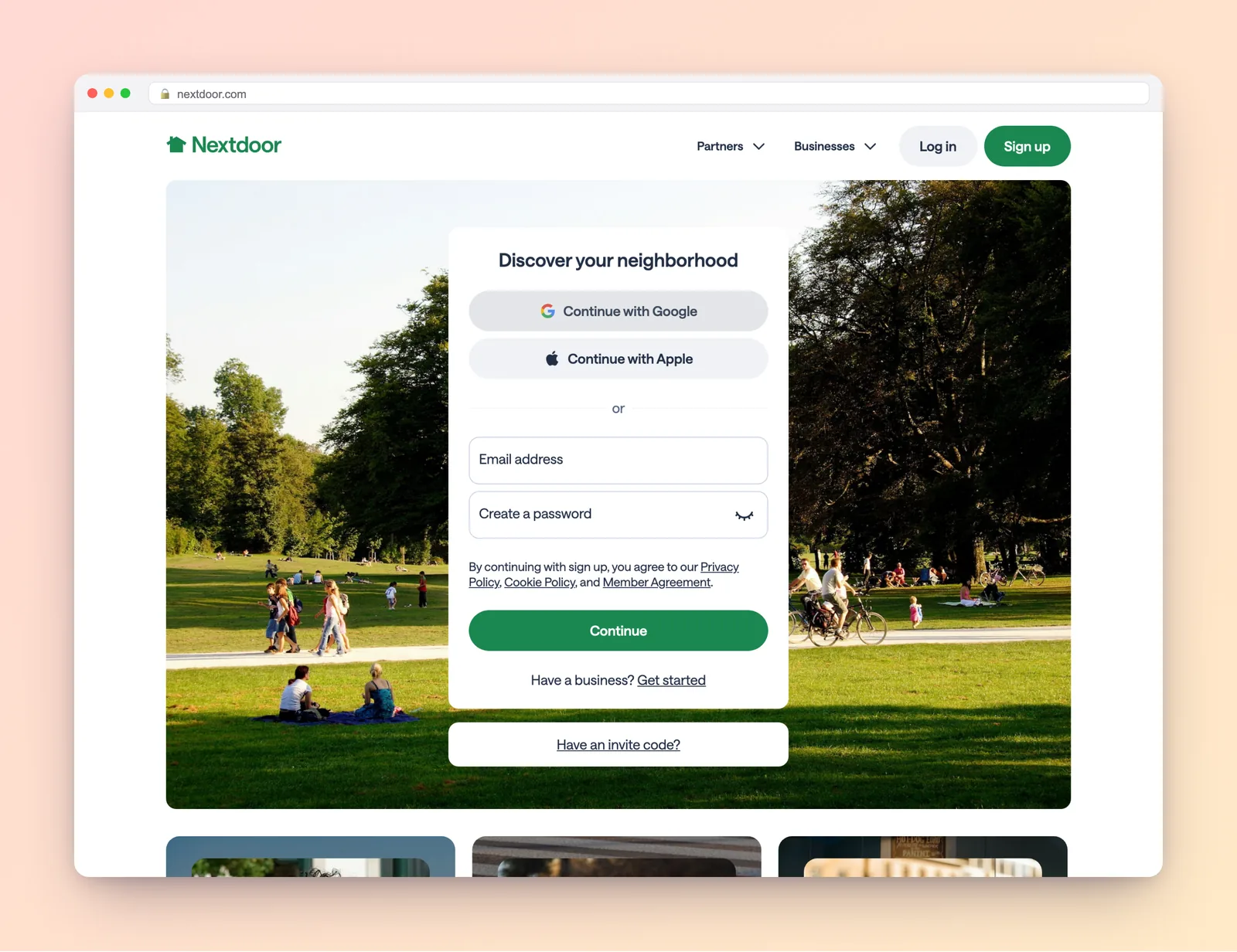
The neighborhood-level focus makes Nextdoor useful for finding parents who actually live near you. Post something like "Any parents of preschoolers on [street name]? Would love to set up some neighborhood playdates."
Local Mom Networks
Organizations like MOPS (Mothers of Preschoolers), local mom clubs, and community parenting groups are specifically designed for parent connection. Many are free. Your local library, YMCA, or community center can point you in the right direction.
Apps and Online Communities
Apps like Peanut connect moms in the same area. Reddit communities like r/Mommit and r/Parenting can provide online support and local tips. Online connections are a great start, but the real goal is turning them into actual friendships and playdates.
From First Conversation to First Playdate
You've met a parent. You've exchanged info. Now what?
Follow Up Within 48 Hours
Don't overthink this. A simple text works:
"Hi! It's [your name], [child's name]'s mom/dad. Great meeting you at pickup today! Would [their child] like to come over for a playdate this week or next?"
Suggest a Specific Plan
Vague invitations die on the vine. "We should get together sometime" almost never turns into an actual playdate. Be specific:
"Would Saturday afternoon work for a playdate at the park? I was thinking 2-4pm."
Start Low-Pressure
For first playdates, a neutral location like a park or playground takes the pressure off both families. Keep it to 1-2 hours. No need for an elaborate plan. Kids will figure out the fun part themselves.
Don't Take Silence Personally
If a parent doesn't respond, it's almost never about you. They're busy, they forgot, their kid's schedule is packed. Try once more in a week or two. If there's still no response, let it go and focus on other connections.
Building Your Parent Network Over Time
Real parent friendships don't happen from one conversation. They build gradually through repeated, low-effort contact:
- Be a regular. Show up to the same spots, at the same times. Familiarity builds trust.
- Reciprocate. If someone hosts a playdate, invite them back within a few weeks.
- Include, don't exclude. When organizing a group playdate, invite the new parent, the quiet parent, the one who just moved.
- Be the connector. Introduce parents you know to each other. "Hey, your kids are the same age, have you met [name]?"
- Lower the bar. Not every playdate needs to be a production. "Want to meet at the park for an hour?" is a perfectly good invitation.
FAQ
How do I make mom friends as an introvert?
Start small. One conversation at a time. Use natural gathering points like school pickup, sports practice, and library story time. Having a playdate card makes the contact exchange effortless, so you can skip the awkward phone number moment entirely. You don't need to be the life of the party. Most parents are just as nervous as you are.
Is it weird to hand out cards at school?
Not at all. Parent contact cards are getting more popular at schools, sports, and activities. Most parents appreciate the gesture. It signals that you're open to connecting without being pushy. It's a business card for your most important job.
Where can I find local mom groups near me?
Check Facebook for local mom groups, search Nextdoor for neighborhood parents, visit your local library's story time, look for MOPS chapters, and attend school PTA events. Community centers and parks departments also run parent-focused programs.
What if the other parent doesn't reciprocate?
Don't take it personally. Some parents have full schedules, some are dealing with things you can't see, and some just take longer to warm up. Try once more after a couple of weeks. If there's still no response, redirect your energy to other connections. The right parent friendships will click naturally.
Sources
Guidance in this article draws on the following authoritative resources.
- Office of the U.S. Surgeon General. “Our Epidemic of Loneliness and Isolation (2023 Surgeon General’s Advisory).” hhs.gov
- ZERO TO THREE. “Tips on Helping Your Child Build Relationships.” zerotothree.org
- American Psychological Association. “Manage Stress: Strengthen Your Support Network.” apa.org
- Nextdoor. “Nextdoor.” nextdoor.com
Keep Reading
What Is a Playdate? Meaning, Ages & How to Plan One
What a playdate actually is, how it works, and why it matters for your child's social development. A no-nonsense guide for parents.
42 Playdate Ideas Kids Actually Love (Toddler to Age 10)
42 playdate ideas for every age — toddler to 10, indoor and outdoor. Fresh games, crafts, snacks, and hosting tips. No boring, no Pinterest-perfect required.
Playdate Etiquette: How Long, Drop-Off & the Do's and Don'ts
How long should a playdate last, do you stay or drop off, and what to ask first — a simple playdate etiquette guide for parents, by your kid's age.
Your Child's First Playdate: Tips, What to Expect & Ideas
Everything for your child's first playdate — how to pick the right friend, what to expect, how long to stay, and calming first-time nerves.